Museum of Anthropology and Ethnography

    Anthropology 2

By Rachyl Grussing (Istituto Lorenzo de’ Medici)


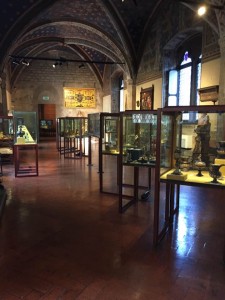
The Museum of Anthropology and Ethnography in Florence has been collecting for over 400 years. The oldest objects in the museum are from the Medici collections, but they also boast items from expeditions as recent as the 1990s. While the museum displays a wide array of objects, it also suffers from being an institution in the midst of change. For the past several years the museum has been slowly reinventing their displays in response to the public pressure to correctly display the cultures contained with its walls. The newest part of the museum opened in August of this year, and is a continuation of their attempt to change the historical nature of their displays.

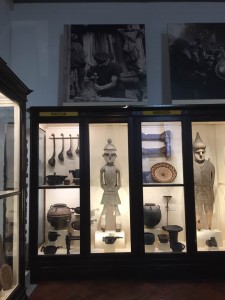
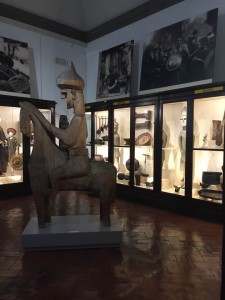
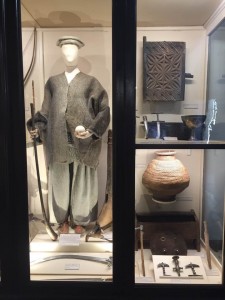
The room focuses on objects from the Hindu Kush valley between Pakistan and Afghanistan and displays things from three different cultures of that region: the Kalasha, the Hindukush, and the Nuristani. Objects displayed in this particular room were gathered in several expeditions in the late 1950s and early 1960s. The main one, headed by Paolo Graziosi, is featured in a small documentary that plays on a small screen on the far side of the space. The documentary is in Italian, but does feature English subtitles. This documentary allows for the visitor to see the area where the objects were gathered in movie form, but the audio of the film is very loud and the sound bleeds into other rooms of the museum.

Directly in front of the window of the room is a panel with information about the different cultures in the room, but the information is very basic. There are also laminated sheets with information in many different languages that supplements the information on the main panel. There are two types of labels within the cases, simple labels that tell the basic information of the object, or longer labels that give a quick description of the purpose of the item in question. Above the historic nineteenth century cabinets are blown up photographs of the people from the HIndu Kush valley going about their everyday lives with the anthropologists in residence. On the opposite wall there is also a large map, with a yellow circle denoting the geographical location of the valley.

Together, these give an overview of the culture and geography of the area, but there is no descriptions of the meaning behind the objects in the cases, many of which were used for rituals. However, taken as a whole, the room does not do much to educate the visitor on the importance of the objects. The exhibition in this room is the result of a direct collaboration between the native communities and the museum, but this information is not readily available to the everyday viewer. The preservation of these ancient cultures seems very superficial. The text provided does help to give some context, but it is not placed in such a way that it is obvious to visitors.


Anthropology

Traduzione di Tania Mio Bertolo (Università degli Studi di Firenze)


Il Museo di Antropologia ed Etnografia a Firenze ospita una collezione raccolta nel corso di più di 400 anni. Gli oggetti più antichi qui conservati provengono dalla collezione dei Medici, ma ve ne sono anche alcuni acquisiti dal museo negli anni ’90 in occasione di recenti spedizioni. Nonostante il museo vanti una collezione molto ricca, soffre della situazione di cambiamento che esso stesso, come istituzione, sta vivendo. Diverse volte in passato il museo ha rinnovato il proprio percorso espositivo per far fronte alle pubbliche pressioni direzionate ad un allestimento che più correttamente valorizzasse le culture delle quali esso conserva memoria tra le proprie pareti. La parte più recente del museo è stata aperta al pubblico nell’agosto dello scorso anno, e costituisce un ulteriore contributo allo “svecchiamento” della natura storica del proprio allestimento.

Il nuovo ambiente è dedicato all’esposizione di quegli oggetti provenienti dalla valle di Hindu Kush, collocata tra il Pakistan e l’Afghanistan, e mette in mostra le testimonianze delle tre diverse civiltà che abitano quella stessa valle: i Kalasha, gli Hindukush ed i Nuristani. Tali oggetti arrivarono al museo in seguito alle spedizioni promosse tra la fine degli anni ’50 e gli inizi degli anni ’60. Viene fornita testimonianza della principale tra queste, quella capeggiata da Paolo Graziosi, attraverso un filmato proiettato in un piccolo schermo collocato su un lato della sala. Il documentario è in italiano, ma con i sottotitoli in inglese. Esso consente ai visitatori di osservare per immagini l’area nella quale gli oggetti furono trovati, tuttavia l’audio del filmato è troppo alto ed invade rumorosamente le sale adiacenti.

Esattamente di fronte alla finestra della sala si trova un pannello con poche e riassuntive informazioni circa le diverse civiltà alle quali è dedicato tale ambiente. Vi sono anche fogli laminati compilati in lingue diverse che forniscono informazioni aggiuntive. Queste targhette, spesso posizionate presso le teche espositive, forniscono talvolta scarse indicazioni circa l’oggetto al quale sono associate, altre invece contengono un testo più lungo che riassume velocemente le peculiarità e la destinazione d’uso del pezzo in mostra.

Presso il gabinetto storico del diciannovesimo secolo si trovano fotografie ingrandite che ritraggono gli abitanti della valle di Hindu Kush impegnati nelle loro attività quotidiane affiancati dagli antropologi. Nella parete opposta vi è una grande mappa nella quale è segnalata in giallo la localizzazione geografica della valle.

Nell’insieme la sala fornisce una panoramica della cultura e della geografia dell’area, ma non vi sono abbastanza descrizioni dei significati e delle destinazioni d’uso delle testimonianze in mostra, molte delle quali avevano originariamente finalità rituali. Nel complesso la sala non educa a sufficienza il visitatore all’importanza di tali oggetti. Nonostante la collezione della sala sia il risultato di una diretta collaborazione tra le popolazioni native ed il museo, questa informazione non è prontamente captabile dal visitatore. La presenza di queste antiche civiltà sembra essere solo superficiale. I testi forniti di fatto aiutano ad una contestualizzazione di tali testimonianze, ma la loro posizione defilata li fa passare quasi inosservati al pubblico.
 

Bargello Museum

Bargello 2     Bargello 3

By Rachyl Grussing (Istituto Lorenzo de’ Medici)


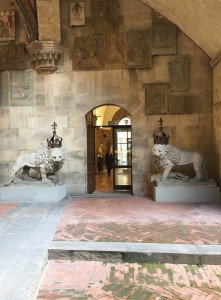
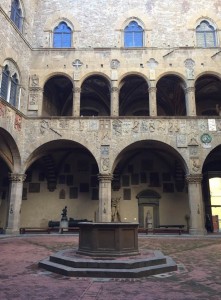
The Bargello, also known as the National Museum, was built in 1255 and is one of the older buildings in Florence. While originally it was the headquarters for the Captain of the People, the building went through many changes. It was also the headquarters for the police captain, a barracks, and served as a prison throughout the entire 18th century. It began its career as a museum in the mid-nineteenth century and today it houses important works by Giambologna, Donatello, and the famous Michelangelo.

Although the Bargello has explanatory panels in the main courtyard about the history of the building and the works contained within, nothing within the museum gives a sense of the rich and the full story of the space. This seems to be the main theme with the displays at the Bargello, a disconnect between the history of the objects and their display as objects of aesthetic appeal. The labels on the first and second floor are simple labels detailing only the name and material of the object. There are explanatory panels in each room explaining the theme of the room, giving a map of the cases so the visitor may understand the progression of the space and how these objects came to be at the Bargello, but it does not give full justice to the artworks.

Even within the separate rooms of the upper stories there is a disconnect. Each room contains objects with a different focus. There are rooms displaying items from the Carrand Collection, from the Bargello’s collection of ivory sculptures, and a room only display working from their collection of Maiolica. The rooms, both individually and overall, do not have cohesion. The panels do not do enough to justify the importance of the collection to the visitor, and the sheer number of items on display is enough to numb any mind to the beauty of these objects. When taken as a whole, the rooms tell individual stories rather than contributing to a cohesive whole.

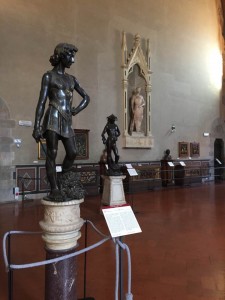
The lower two floors of the Bargello are fairly tourist friendly. The ground floor holds the works of Michelangelo, surrounded by benches that art students take full advantage of, and the first floor is where the two famous David statues by Donatello and Verrocchio stand near each other. The third floor only contains label in Italian, although some works by the famous della Robbia family are displayed there. Looking at the display of arms and armaments of the Bargello, it is clear to see that the third floor follows a typographical display rather than a contextual one.

What an institution like the Bargello needs is a back-to-the-drawing-board approach to its collection and to its displays. With an immense and impressive history to draw upon, and a historic site that contains cavernous halls and bedecked rooms, it would be easy to improve the quality and cohesion of the displays at this institution. New signage marking paths, less items with individual labels that speak more to the objects, rather than one explanatory label for an entire room, and the thread of a larger story throughout the museum would make it more easily accessible to the everyday visitor.


Traduzione di Tania Mio Bertolo (Università degli Studi di Firenze)


Il Bargello, conosciuto anche come Museo Nazionale, fu innalzato nel 1255 ed è uno tra i più antichi edifici di Firenze. Costruito originariamente come sede per il capitano del popolo, il palazzo subì numerosi cambiamenti nel corso dei secoli. Fu in seguito sede del Podestà, poi caserma, e divenne anche prigione fino al secolo XVIII ed oltre. Fu adibito a museo verso la metà del secolo XIX ed oggi ospita importanti lavori di Giambologna, Donatello e Michelangelo.

Nonostante nel cortile centrale siano collocati dei pannelli che descrivono la storia del palazzo e delle opere ivi conservate, all’interno del percorso museale non vi è alcuna suggesione della ricca e importante storia dell’edificio del Bargello. Questa lacuna sembra essere anche la cifra dell’allestimento della collezione permanente: la mancanza di coesione tra l’eredità storica delle opere e la loro messa in mostra in qualità di oggetti di valore estetico. Le targhette didascaliche del percorso espositivo che attraversa il primo ed il secondo piano sono molto semplici, ed indicano soltanto il titolo ed il materiale degli oggetti artistici in mostra. In ogni ambiente sono collocati pannelli esplicativi che introducono al tema della stessa sala, e sui quali è inoltre tracciata una mappa utile al visitatore per comprendere la successione degli spazi dell’allestimento e le circostanze di acquisizione dei capolavori da parte del museo. Purtroppo tali pannelli non danno giusto merito alle opere d’arte.

La suddetta mancanza di coesione si riscontra anche nelle sale più separate, quelle collocate nel piano più alto. Qui ciascuna sala è dedicata ad una tematica: alcune di esse, tra le quali ve ne è una che conserva unicamente la raccolta di avori, sono dedicate ai lavori artistici provenienti dalla collezione Carrand, ed un’altra è invece destinata all’esposizione di maioliche. Queste sale sono prive di coesione sia dal punto di vista individuale che d’insieme: i pannelli esplicativi non valorizzano a sufficienza la collezione del museo al visitatore, ed il numero totale degli oggetti esposti è talmente elevato da decocentrare chiunque dalla bellezza degli oggetti stessi. Nell’insieme, le stanze raccontano singole storie invece che contribuire ad un’unione d’insieme.

Gli allestimenti dei due piani sottostanti, il primo ed il secondo nel palazzo, sono pensati per essere più facilmente fruibili e comprensibili da parte del visitatore. Al piano terra trovano spazio alcuni capolavori di Michelangelo, circondati da sedute utili per gli studenti d’arte; al primo piano sono invece collocate le due famose sculture di David, nelle versioni di Donatello e Verrocchio, situate l’una vicino all’altra. Il terzo piano contiene solo targhette esplicative in lingua italiana, nonostante siano qui conservate alcune robbiane. Osservando l’allestimento della sala destinata alle armi ed alle armature, è chiaro che la scelta espositiva del terzo piano segua un carattere tipografico piuttosto che contestuale.

Quello di cui un’istituzione come il Bargello avrebbe bisogno è un approccio retrospettivo alla propria collezione ed alle proprie soluzioni espositive. Con una storia così corposa ed importante dalla quale attingere, ed un palazzo antico che ancora conserva ambienti cavernosi e sale decorate, sarebbe facile migliorare la qualità e la coesione degli allestimenti di questa istituzione. Nuovi pannelli esplicativi che caratterizzano il percorso, un numero inferiore di oggetti artistici esposti ma ciascuno con la propria targhetta descrittiva piuttosto che un unico pannello che introduca all’intera sala, ed un filo conduttore che muova attraverso gli ambienti del museo per renderne manifesta l’eredità storica: tutto ciò renderebbe più facile e piacevole il godimento della collezione da parte del visitatore.


Le Nuove Sale del Primo Rinascimento alla Galleria degli Uffizi

uffizi 2

Galleria degli Uffizi, dal 18 ottobre 2016
Di Tania Mio Bertolo ed Elena Zinanni (Università degli Studi di Firenze)


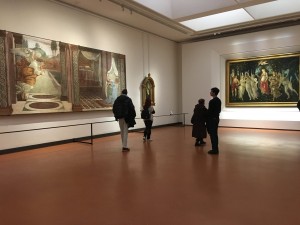
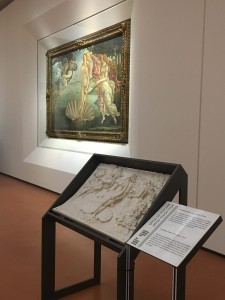
Rumorio, caos e sovraffollamento: queste erano purtroppo alcune costanti del vasto ambiente che ospitava la Primavera e la Nascita di Venere, i due dipinti botticelliani più noti conservati presso la Galleria degli Uffizi. A partire dal 18 ottobre 2016 però, quello stesso ambiente ed alcune altre sale (complessivamente dalla numero 8 alla 15) hanno assunto un nuovo volto che, attraverso un rinnovato assetto architettonico ed espositivo, consente una fruizione più fluida e pausata.

Ultima tappa di un percorso durato poco più di dieci anni, il riallestimento delle Sale del Primo Rinascimento rientra nell’ambizioso progetto dei Nuovi Uffizi, destinato a rinnovarsi negli anni a venire. Nell’ambito di tale progetto la Galleria fiorentina è stata sottoposta a numerosi rinnovamenti che hanno permesso l’ampliamento in termini di metratura del percorso espositivo, il riallestimento di alcune sale e l’inaugurazione di nuovi ambienti, l’esposizione al pubblico di opere d’arte altrimenti conservate nei depositi e la valorizzazione di altre già presenti nel percorso museale. Tra gli altri, si ricorda qui il recente riassetto delle Sale dei Primitivi: penultima e delicatissima tappa che dovette tener conto dell’allestimento di quegli stessi locali eseguito nel secondo dopoguerra dagli architetti Giovanni Michelucci, Carlo Scarpa ed Ignazio Gardella, ancora oggi caposaldo della museografia contemporanea.

Anche per il rinnovo degli ambienti inaugurati lo scorso ottobre è stato scelto un progetto che si pone in continuità ed armonia sia con le vicine Sale dei Primitivi, sia con la stratificazione storica della struttura architettonica. Si ascrive infatti a tale proposito il mantenimento dei materiali e dei colori delle sale storiche, ed anche il recupero e la valorizzazione attraverso lucernari a grandi fori piramidali delle capriate dell’antico Teatro Mediceo, grande volume a doppia altezza progettato nel 1585 dal Buontalenti e corrispondente a buona parte degli odierni spazi del braccio di levante del museo. Nuova e funzionale al diradamento del flusso dei visitatori, è invece la scelta di porzionare l’ambiente destinato ai due capolavori botticelliani (sala 10-14) in due parti comunicanti. Soluzione museografica che consente inoltre sia di valorizzare individualmente i due dipinti, sia di avere al contempo una percezione unica ed unificante di entrambi.

Come già detto, il riassetto architettonico ha permesso anche un riordino nel percorso espositivo delle opere stesse: una sorta di “svuotamento” della principale sala botticelliana per conferire maggiore visibilità ai due capolavori del Maestro, ma anche per valorizzare le altre sue opere attraverso collocazioni espositive più appropriate. Un percorso, quello che principia nella Sala di Masaccio, Paolo Uccello e Filippo Lippi (sala n. 8) e che si conclude nella Sala di van der Goes (n. 15), pensato in maniera efficace per il il visitatore che si voglia accostare gradualmente ai due dipinti cardine della produzione di Botticelli, comprendendo prima gli stili e le maestranze che determinarono la formazione dell’artista, e poi le corrispondenze con la produzione di altri pittori fiorentini e fiamminghi. Uno straordinario gioco di reciproche influenze, regista delle quali è indubbiamente ed unicamente l’arte nelle sue molteplici varianti, ma della valorizzazione delle quali è invece artefice la riuscita scelta espositiva.


Uffizi

The New Rooms of the Early Renaissance at the Uffizi Gallery
Translation by Rachyl Grussing (Istituto Lorenzo de’ Medici)


Murmur, chaos and overcrowding: these were the unfortunate few constants of the fast space that housed the Primavera and the Birth of Venus, the two most famous Botticelli paintings preserved in the Uffizi Gallery. After the 18th of October 2016, however, that same environment and some other rooms (overall the rooms 8 to 15) have assumed a new face, through a renewed architectural and exhibition set-up, allowing for smoother movement and observation of the artworks.

The last leg of the journey that lasts little more than ten years, the rearrangement of the Room of the Early Renaissance is a part of the ambitious project of the New Uffizi, destined to renew itself in the years to come. As part of this project, the Florentine gallery has undergone numerous renovations that have allowed the expansion in terms of the square footage of the exhibition, the rearrangement of some rooms and the inaugurations of new environments and the exposure to the public of works of art otherwise preserved in the deposits and the exploitation of others already present in the museum. Among others, remember here the recent reorganization of the Room of the Primitives: the penultimate and very delicate stage that had to take into account the preparation of those same locations executed after the Second World War by the architect Giovanni Michelucci, Carlo Scarpa and Ignazio Gardella, still today the cornerstone of contemporary museology.

Also for the renewal of the environments inaugurated last October, a design was chosen that was in continuity and harmony with both neighboring Room of the Primitives, and the historical architecture of the building. In fact, it refers to the maintenance of the rooms materials and historical colors, and also the recovery and development through the large double-height pyramidal skylights outside of the trusses of the old Medici Theater, designed in 1585 by Buontalenti and corresponding to a good part of today’s spaces in the east wing of the museum. New and functional to the thinning of the flow of visitors, it chooses to portion the two masterpieces by Botticelli (Rooms 10-14) into two communicating parties. The museological solution also allows for the individual improvement of the two paintings, and also to have a unifying and unique perception of both.

As mentioned, the architectural reorganization allowed for the reorganization of the works in the exhibition: a kind of ‘emptying’ of the main room of Botticelli to give more visibility to the two masterpieces by the Master, but also to enhance the other works through more appropriate collection exhibitions. The route, which begins in the Room of Masaccio, Paolo Uccello, and Filippo Lippi (Room 8) and ends in the Room of van der Goes (Room 15), is effectively designed for the visitor who wants to gradually approach the two pivotal paintings by Botticelli, including the styles and works before who determined the artists training, and then the correspondence with the production of other Florentine and Flemish paintings. In the extraordinary game of influences, the director of which is undoubtedly and exclusively the art in its many variations, but the development of this is a rather successful exhibition choice.