House of Dante

dante2  dante

By Rachyl Grussing (Istituto Lorenzo de’ Medici)


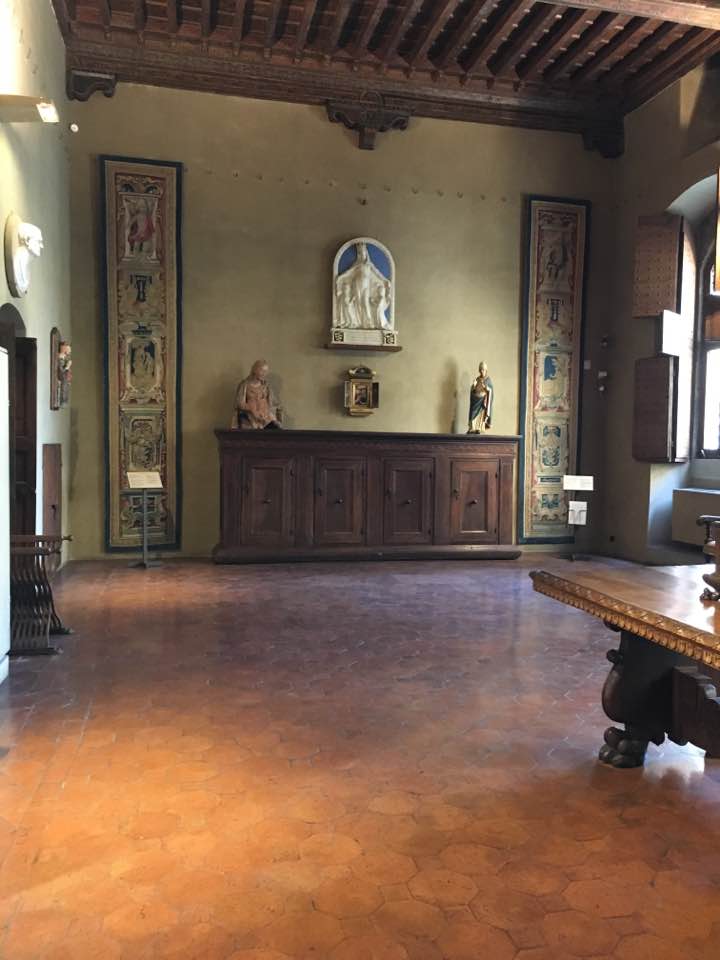
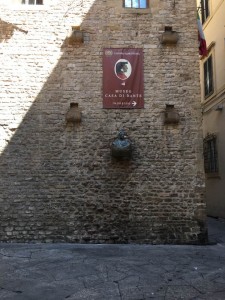
The House of Dante does its best to preserve and display the legacy of the father of the Italian language. Owned and operated by the Alighieri family for years after the famous poet’s death, in 1861 the city government decided to purchase and carry out research on the group of houses historically thought to be the House of Dante. Restoration work did not begin on the house until 1911, and the museum was officially opened to the public in June 1994.

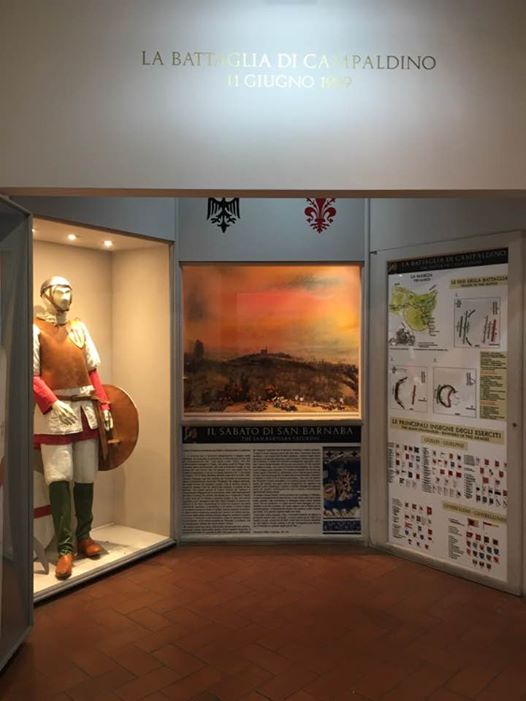
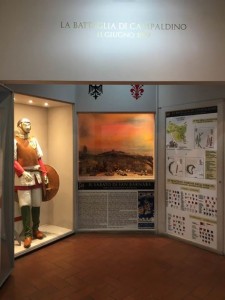
Each floor and each room of the House of Dante deals with a different periods and aspects of the writer’s life. However, the writer of the famous Inferno is conspicuously lacking from the panels. There are a handful of panels that address Dante directly, one talking about his career as a doctor, but none address his life. It seems as though the museum deals with the things touching Dante’s life rather than speaking to the actual life of Dante and his experiences. The research that went into the panels is extremely evident, and the background information presented definitely helps one to understand the context of the time in which Alighieri wrote. Upon leaving the museum, one understands more about the time period, but knows little more about Dante than when they entered.

While the museum is called the ‘House of Dante’ it is set up as a classic museum. Panels with text and pictures present the information to the visitor in the didactic one-way style of communication. The text presented to the visitor is detailed and perhaps more in depth than the regular visitor wants. It seems as though the museum has been set up for the visitor who already has a solid base of information about Dante and Dante’s works and wants to know different correlated information.

There is one room of the museum set up as a medieval bedroom, with only a paper sign taped to the doorway explaining the context of the setup. Visitors are only able to look through the doorway, as it is block with a glass panel. The bedroom seems placed there almost by accident; there are no panels about bedrooms in that time period, or perhaps explaining that it may be how Dante had his room designed. There is a room on the third floor that also seems random and slightly out of place. This floor deals with the Inferno itself, and the entire text of the book is on a massive panel on the wall. As you exit the first room and go into the second, there is only a glass case with jewelry, and across a small hallway there are two mannequins dressed in what seems to be medieval clothing. There are no explanatory panels.

Overall the House of Dante could do with some reorganization and rethinking of its display. While there are some interactive elements and didactic materials, the overall impression of the museum is somewhat confusing, and the information presented should be narrowed.
 

dante1

Traduzione di Tania Mio Bertolo (Università degli Studi di Firenze)


Il Museo della Casa di Dante fa il suo meglio per preservare e condividere con il pubblico il lascito del padre della lingua italiana. Il gruppo di edifici storicamente indicati come Casa di Dante, che per alcuni anni dopo la morte del sommo poeta rimasero di proprietà della famiglia Alighieri, negli anni Sessanta del XIX secolo furono acquisiti dal comune di Firenze che si occupò di portare avanti le indagini di ricerca; i lavori di ristrutturazione furono avviati soltanto nel 1911, ed il museo fu officialmente aperto al pubblico nel giugno del 1994.

All’interno dell’edificio museale ogni piano ed ogni stanza sono dedicati a periodi e ad aspetti diversi della vita del poeta, ma l’autore del famoso Inferno è palesemente assente nella documentazione informativa. Vi sono infatti una manciata di pannelli esplicativi dedicati chiaramente a lui, ed uno che riferisce circa la sua attività di medico, ma nessuno inerente la sua vita. Benchè il carattere scientifico dei testi dei pannelli didascalici sia tangente, e le informazioni storiche fornite aiutino il visitatore a comprendere il contesto cronologico nel quale Alighieri visse, sembra quasi che il museo preferisca fornire delucidazioni sugli aspetti che hanno toccato il vissuto di Dante piuttosto che su quelli riguardanti la vita effettiva del poeta e le sue esperienze. Al termine del percorso museale il visitatore ha ben chiara l’epoca storica di riferimento, ma ha appreso ben poco circa la vita di Dante.

Il Museo della Casa di Dante, nonostante il nome, è allestito come un vero e proprio museo. Informazioni scritte correlate da immagini offrono al visitatore nozioni secondo il classico metodo didattico della comunicazione unilaterale e frontale. I testi estremamente dettagliati e probabilmente molto più approfonditi di quanto un comune fruitore si aspetterebbe, lasciano pensare che l’allestimento museale e l’apparato informativo siano pensati per un visitatore che abbia già una buona conoscenza della vita e del lavoro di Dante, e che abbia intrapreso la visita per approfondire tematiche correlate.

All’interno del museo si trova una sala allestita come una camera da letto medievale; collocato all’ingresso è un unico foglio didascalico che informa circa la mobilia esposta. Poiché l’ingresso alla sala è bloccato da una barriera di vetro, i visitatori possono soltanto affacciarsi dall’esterno. La camera sembra collocata lì quasi per caso, e non vi è nessuno spunto che possa rendere il visitatore più consapevole circa l’arredo delle camere da letto in epoca medievale. Rimane anche il dubbio se questo particolare allestimento esposto al pubblico fosse stato pensato e vissuto dallo stesso poeta. Anche al terzo piano si trova una sala che sembra casualmente e sbadatamente fuori posto. Questo piano è dedicato all’Inferno, e l’intero testo della prima cantica è riportato su un massiccio pannello murale. Nel passaggio tra la prima e la seconda sala si può osservare soltanto una teca in vetro nella quale sono esposti alcuni gioielli e più avanti, attraversando un piccolo vestibolo, si incontrano due manichini vestiti di abiti medievali: non vi è alcun pannello descrittivo.

In conclusione, il Museo della Casa di Dante avrebbe bisogno di riallestire e ripensare il suo percorso espositivo. Nonostante vi siano alcuni elementi interattivi e del materiale didattico, l’impressione generale a seguito della visita museale è caotica, e le informazioni offerte dovrebbero essere riassunte.

 

Palazzo Davanzati

davanzati3 davanzati1

Palazzo Davanzati

By: Rachyl Grussing (Istituto Lorenzo de’ Medici)


Situated a stone’s throw from the Ponte Vecchio and the Porcellino Market, Palazzo Davanzati is a fine example of an early Renaissance building. Purchased by the Davanzati family in 1578, the house stayed in the family for almost 300 years. After being turned into apartments, and then a historic house museum by Elia Volpi, Palazzo Davanzati finally came to the Italian State in 1951, where it was reorganized and opened to the public in 1956.

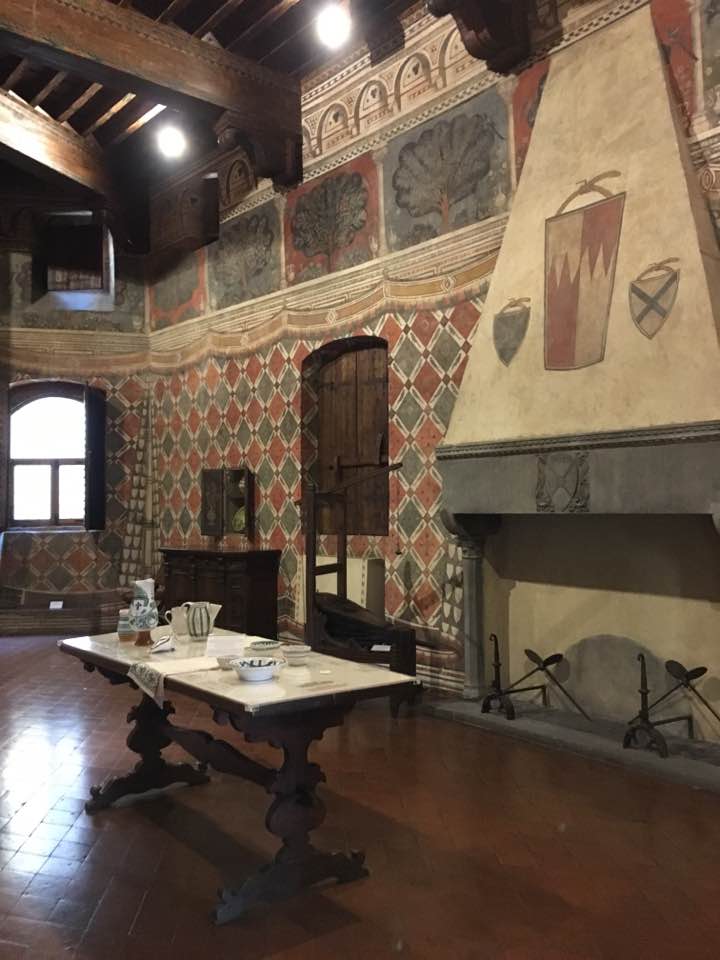
The Palazzo functions as a quasi-immersive experience. Furniture from the 13th through 19th century has been purchased to give the Palazzo the feel of an authentic Renaissance dwelling. There are no large panels in any of the rooms, nor are there labels on the works of art scattered throughout the space. Rather, there are small stands which feature information about the paintings, and also offer a single page cardboard document which explains, in english and italian, the purpose of the room and some small information about the history of the space and the items inside. There are also small stands with screens on each floor, however, they do not work.

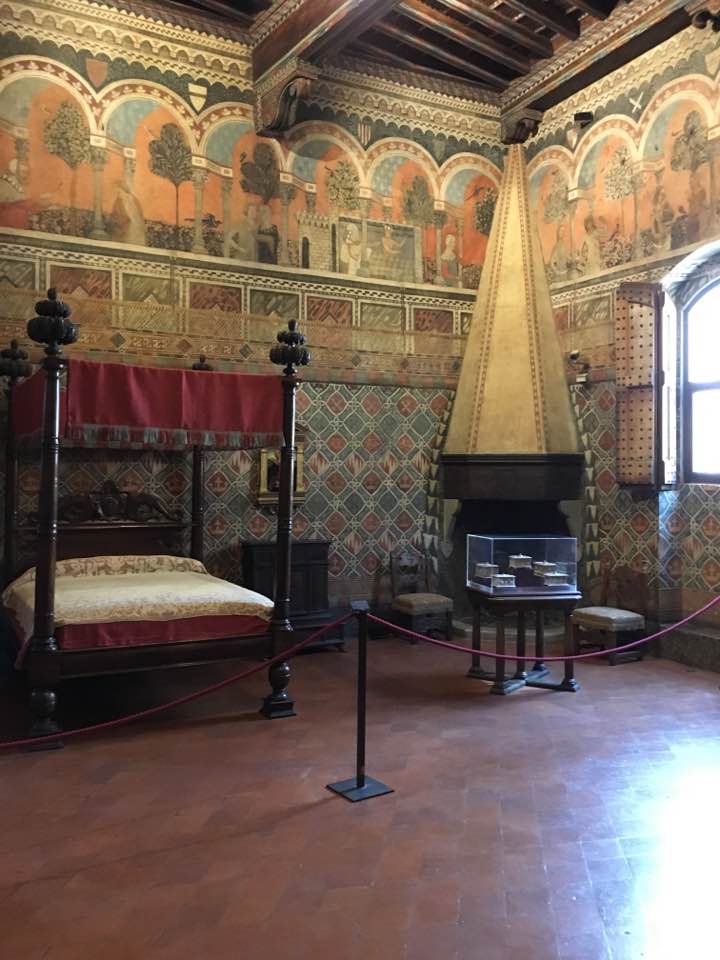
These things attempt to give the impression of stepping into an early Renaissance era room. Each floor is ascended one by one, and only with a guide accompanying the visitors. The labels on each floor are informative, but they leave the visitor wishing for more information. For example, there are exquisite remnants of graffiti on every floor, in almost every room. The didactic materials mention when the graffiti was possibly made, but what could be exploited as a fascinating and engaging element of the history of the house is sadly left to a few lines on cardboard. The frescos of the bedrooms are incredibly well preserved, filled with symbolism and history, but are regulated to paragraphs on the didactic materials. The same mentality seems to permeate the entirety of the house.

With such a rich history and occupying an important place in the development of the Renaissance style houses, Palazzo Davanzati should use the resources at its disposal to create educational materials and events that show the exquisite nature of the home. Instead of simple single page of text to explain the home, the Palazzo could invest in more working technology to offer in depth information to the visitor. With even a small increase in the didactic materials the visitor would experience the Palazzo as more than a simple aesthetic experience, sprinkled with a few facts, but would instead create an atmosphere of understanding and appreciation.


davanzati2  davanzati

Traduzione di Tania Mio Bertolo (Università degli Studi di Firenze)

Situato a pochi passi da Ponte Vecchio e dal Mercato del Porcellino, Palazzo Davanzati è un buon esemplare di struttura architettonica risalente al primo Rinascimento. Acquistato dalla famiglia Davanzati nel 1578, il palazzo appartenne alla stessa dinastia per oltre 300 anni. Dopo esser stato riadattato in appartamenti, ed in seguito allestito a museo da Elia Volpi, nel 1951 il palazzo divenne proprietà dello Stato e fu aperto al pubblico, dopo un’ulteriore riorganizzazione, nel 1956. L’allestimento del palazzo offre un’esperienza quasi immersiva. Mobili risalenti al periodo compreso tra i secoli XIII e XIX sono stati acquistati per dare al palazzo l’aspetto di un’autentica dimora rinascimentale. Non vi sono né grandi pannelli informativi nelle sale, nè cartellini didascalici accanto alle opere d’arte distribuite nel percorso espositivo. Vi sono invece piccoli supporti esplicativi che forniscono informazioni circa i dipinti esposti e che mettono a disposizione del visitatore cartoncini documentari, redatti sia in italiano che in inglese, funzionali ad esporre e l’obiettivo tematico di ciascuna sala, e il carattere storico degli spazi espositivi e degli oggetti in mostra. In ciascun piano è collocato uno schermo informativo, ahimè non funzionante.

Nel complesso, ogni elemento concorre a creare l’illusione di trovarsi realmente in uno spazio abitativo del primo Rinascimento. Il percorso museale, possibile solo con la guida di accompagnamento, attraversa ogni livello del palazzo. Le informazioni fornite in ciascun piano, benchè utili, non sono esaustive, e lasciano purtroppo al visitatore il desiderio di saperne di più. Per fare un esempio: quasi in ogni sala del museo il visitatore si imbatte in squisiti frammenti di graffiti, rispetto ai quali le targhette didascaliche suggeriscono la possibile epoca di realizzazione, ma mancano purtroppo di riferirne l’uso quali affascinanti ed attraenti elementi del contesto storico della dimora, aspetto al quale sono tristemente dedicate poche parole nel cartoncino già menzionato. Ancora: nelle camere da letto vi sono alcuni affreschi magnificamente conservati, ricchi di simboli ed elementi storici, la descrizione dei quali è però relegata a piccoli paragrafi nei materiali didattici. La stessa dinamica sembra permeare la casa nel suo intero.

Con un passato storico così ricco e con un ruolo così importante come testimonianza dello sviluppo dell’arredo nelle dimore rinascimentali, il Museo di Palazzo Davanzati dovrebbe utilizzare le risorse di cui dispone per redigere materiali educativi ed eventi aperti al pubblico finalizzati a mostrare la squisita natura di questa dimora. Al posto di semplici singole pagine di testo descrittive, il museo dovrebe investire negli strumenti tecnologici per offrire maggiori informazioni al visitatore. Anche solo con un piccolo incremento del materiale didattico, il visitatore sarebbe messo nella condizione di attraversare il Palazzo percependolo non più soltanto come un’esperienza estetica intervallata da esigue informazioni, ma come un’opportunità di conoscenza e crescita culturale.


Il cosmo magico di Leonardo da Vinci: l’adorazione dei Magi restaurata

leonardo 1

“Il cosmo magico di Leonardo da Vinci: l’Adorazione dei Magi restaurata”

Galleria degli Uffizi, dal 28 marzo al 24 settembre 2017

Recensione di Maria Eletta Benedetti (Università degli Studi di Firenze)

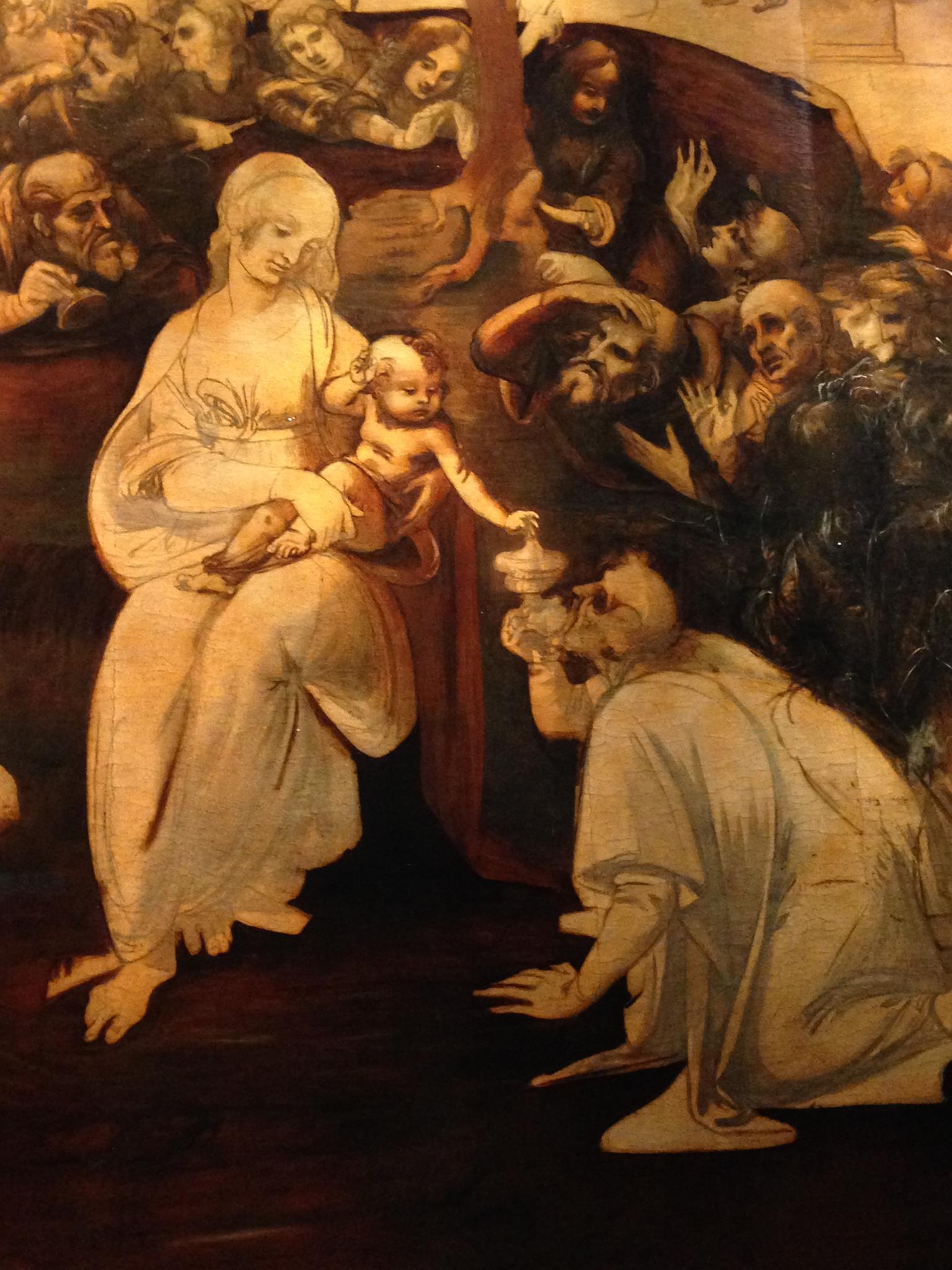
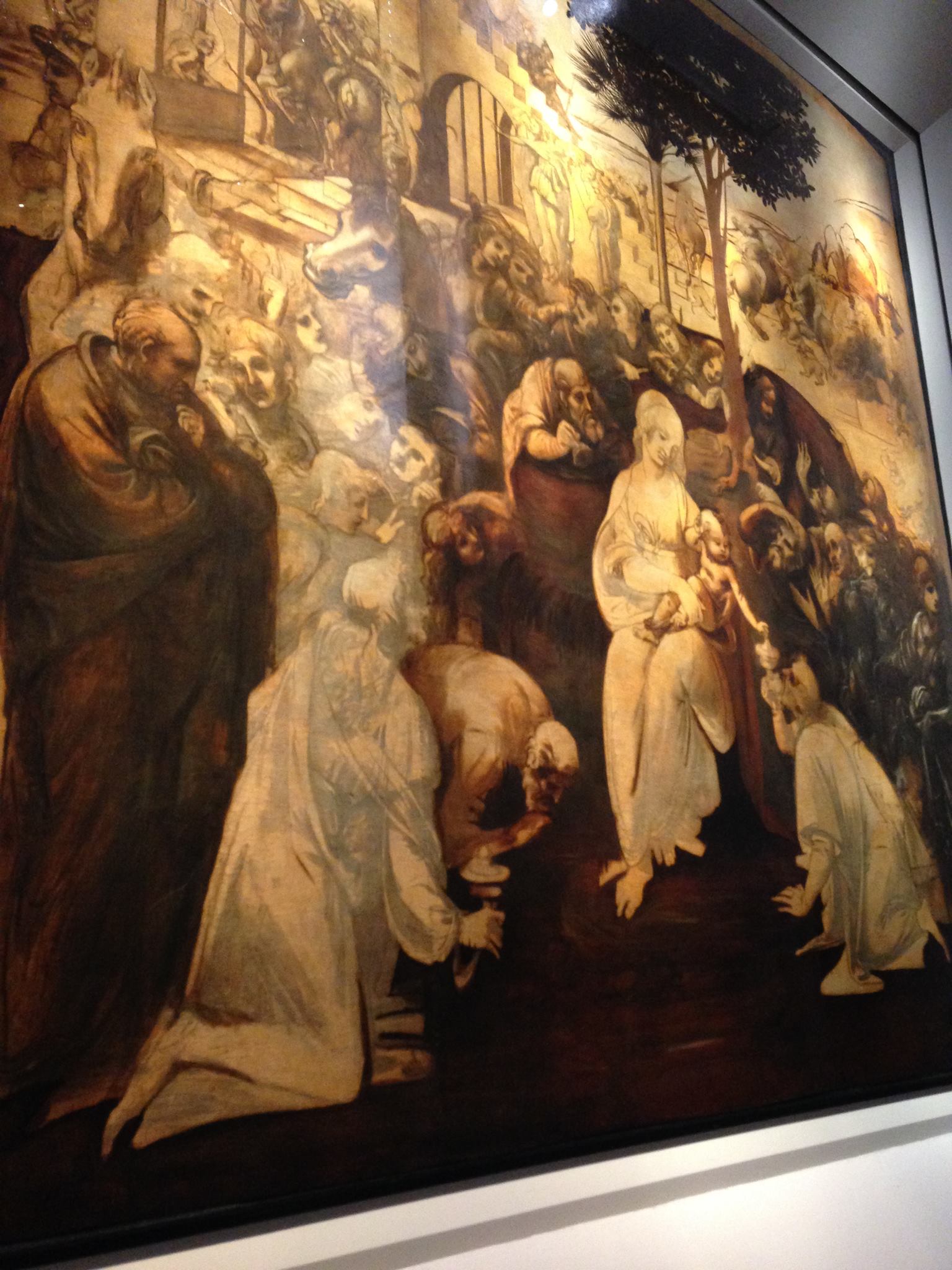
L’Adorazione dei Magi di Leonardo torna a “casa”, nella Galleria degli Uffizi dove è conservata dal 1640. Ad accogliere l’opera per questo importante rientro è una mostra dal titolo Il cosmo magico di Leonardo da Vinci: l’Adorazione dei Magi restaurata, curata dal nuovo direttore della Galleria Eike Schmidt e dal Soprintendente dell’Opificio delle Pietre Dure Marco Ciatti. È proprio presso questo prestigioso Istituto che la pala di Leonardo è stata restaurata con un intervento durato circa cinque anni. Le vicende dell’opera, dalla sua origine all’ingresso agli Uffizi, insieme alla descrizione dettagliata sono raccontate nella primissima sala, attraverso un video, semplice ma molto chiaro, sia in italiano (la voce maschile narrante) che in inglese (i sottotitoli). L’opera infatti è stata realizzata, o meglio parzialmente dipinta, tra il 1481 e il 1482 da Leonardo su richiesta dei monaci di San Donato a Scopeto. Dopo la partenza dell’artista-scienziato per Milano, l’Adorazione rimane incompiuta e la commissione passa nel 1496 a Filippino Lippi, al quale viene richiesto di raffigurare in un’altra tavola la stessa tematica sacra. Nella seconda sala è esposta proprio la pala compiuta di Filippino, anch’essa conservata oggi presso gli Uffizi. La scelta di accostare le due opere risulta vincente in quanto permette un confronto tra le alterità dei due pittori e tra le loro opere; ma allo stesso tempo consente di sottolineare i parallelismi tra le due tavole, accomunate dal medesimo soggetto e dalla medesima commissione. Tuttavia a livello espositivo la scelta del posizionamento dell’opera non è molto buona.  L’opera filippesca è stata collocata di fianco all’ingresso della sala ed entrando il visitatore trova la grande tavola subito sul suo fianco destro. Con questa disposizione forse l’Adorazione di Fillippino viene svilita nella sua fruizione, perché per essere osservata il visitatore deve mettersi in mezzo all’accesso della sala successiva oppure deve guardala ad una distanza ravvicinata che permette solo una visione parziale dell’opera considerando invece le grandi dimensioni (258×243 cm). Da questa stanza, che ha anche una funzione di snodo, si aprono altre due sale: una sulla destra nella quale vi è un altro filmato interamente dedicato al meraviglioso restauro; l’altra sulla sinistra nella quale è esposta l’opera di Leonardo. Grazie all’allestimento assolutamente essenziale si percepisce che l’Adorazione leonardesca è la protagonista indiscussa, non ha bisogno di presentazioni (non c’è una didascalia) e calca così la scena come bellezza assoluta e tutta da scoprire. Grazie ai restauri essa è ancora più incantevole e sembra che l’occhio non si stanchi di ammirarla, curioso di cercare un qualche nuovo dettaglio, un tratto corrucciato o stupito dei volti, una posa delle figure sullo sfondo. La sala è tutta bianca (riprendendo il colore delle nuove sale botticelliane) ed è illuminata sapientemente. L’opera leonardesca è posta in una struttura leggermente incassata e protetta da un vetro che non disturba assolutamente la visione con riflessi. Nella sala dove è allestito il video dedicato ai restauri vi sono anche due pannelli che riproducono in formato originale l’opera prima dell’intervento. Forse sarebbe stato interessante vedere anche un pannello che riproducesse il retro della tavola.

Questa piccola mostra è collocata all’interno delle Gallerie dopo gli spazi dedicati alle esposizioni, che si trovano al primo piano, accanto alle sale rosse.

 
leonardo

Translation by: Rachyl Grussing (Istituto Lorenzo de’ Medici)

“The Magic Cosmos of Leonardo da Vinci: The Restored Adoration of the Magi”

The Adoration of the Magi by Leonardo returns “home”, in the Uffizi Gallery where it has been conserved since 1640. In addition to the important re-entry of this work is the exhibition entitled, ‘The Magic Cosmos of Leonardo da Vinci: The Adoration of the Magi Restored’, curated by the new director Eike Schmidt and the Superintendent of the Office of Dure Stone Marco Ciatti. It is at this prestigious Institute that Leonardo’s palace has been restored with an intervention lasting about five years. The events of the work, from its origins in the Uffizi, together with a detailed description are told in the first room through a video which is simple but very clear, in both Italian (the voice of the masculine narrator) and in English (the subtitles).

The work was in fact partially realized, or better yet partially painted, between 1481 and 1482 by Leonardo on the request of the monks of San Donato and Scopeto. After the departure of the artist/scientist for Milan, the Adoration remained incomplete and the commission passed in 1496 to Filippino Lippi, who was asked to represent the same sacred theme at another table.

In the second room of the show is the finished work of Filippino, which is also kept at the Uffizi. The choice to approach the two works wins as it allows for comparison between the otherness between the two painters and their works, but also underlines the parallels between the two tables, accompanied by the same subject and the same commission.

However, at the exhibition level, the choice of the placement of the works is not good. The Filippino Lippi work is placed alongside the entrance of the room and upon entrance the visitor suddenly finds a large table to the right. With this arrangement maybe the Filippino Adoration is thought to come to its fruition, because to be observed by the visitor, they must be in the middle of the doorway to the next room, or they must look at a distance that permits only one visitor to partially view the large dimensions of the work (258x243cm). From this room, which also has another function, open two other rooms: a room on the right in which is entirely dedicated to the wonderful restoration, the other on the left in which is displayed the work of Leonardo.

Thanks to the absolutely essentially setting, it is perceived that the Leonardo Adoration is the protagonist of the exhibition, and does not need presentation (it has no caption), and so the absolutely beautiful scene can be discovered by all. Thanks to the restoration it is even more enchanting and so it seems that the eye does not get tired of admiring it, curious to look for some new detail, a curve or amazing stretch of faces, a pose of figures in the background. The room is completely white (mirroring the color of the new Botticelli rooms) and the lighting is used wisely. The work of Leonardo is placed in a slightly embedded structure protected by a glass that does not disturb the vision with reflections. In the room where the video dedicated to the restoration is set up are also two panels that reproduce the original format of the work before the intervention. Maybe it would have been interesting to see also a panel reproducing the back of the table.

This small exhibition is located inside the Gallery in the exhibition spaces, which are located on the first floor, after the Red Rooms.

Maria Lassnig Woman Power

women power 3  women power

Maria Lassnig Woman Power
Palazzo Pitti, 25 marzo – 25 giugno 2017

Di Caterina Zaru (Università degli Studi di Firenze)

La prima mostra, che si sia mai organizzata in Italia, dedicata interamente all’artista austriaca, scomparsa nel 2014 all’età di 94 anni, trova spazio nelle sale dell’Andito degli Angioini a Palazzo Pitti e sarà visitabile fino al 25 giugno. Una piccola esposizione realizzata in collaborazione con l’Albertina di Vienna, che si fa conservatrice del nucleo più importante delle opere di Maria Lassnig, e curata da Wolfgang Drechsler. Lo stesso Drechsler ha curato anche il catalogo, edito da Sillabe.

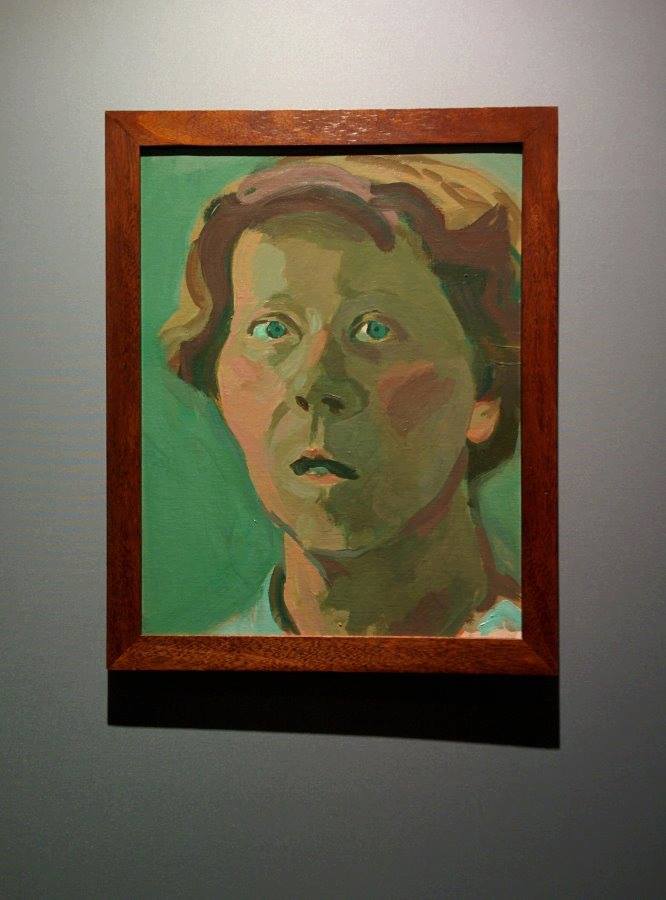
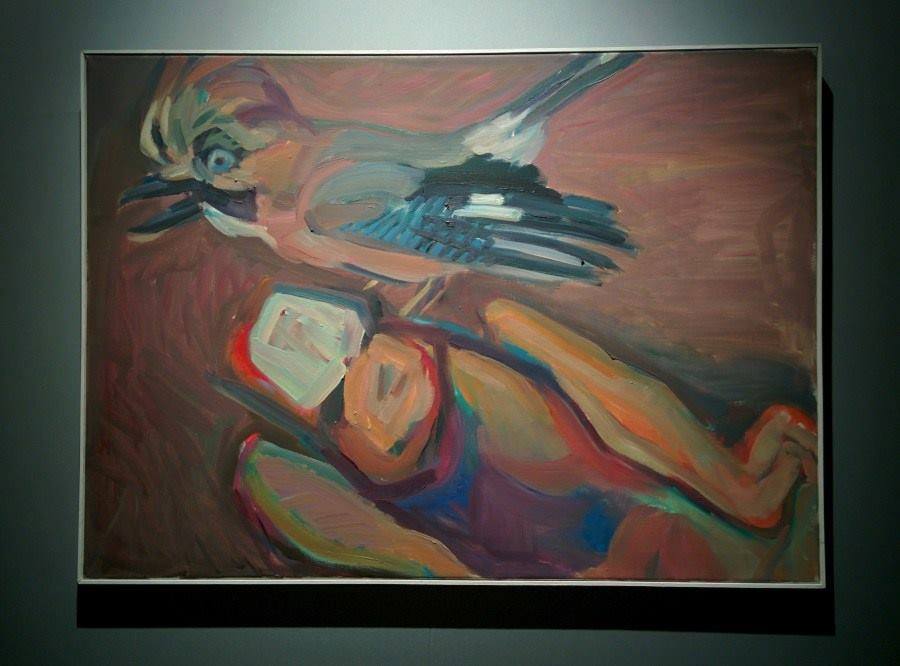
Fu proprio in Italia, alla Biennale di Venezia del 2013, che Maria Lassnig ricevette il Leone alla carriera. E ora Firenze rende omaggio a questa artista, pioniera del movimento femminista nelle arti visive, esponendo venticinque opere, attraverso cui ripercorrere la sua singolare produzione pittorica. Singolare perché, a detta dello stesso curatore della mostra, l’arte della Lassnig trova il proprio centro in un’autoreferenza dell’artista che si autoritrae di continuo, anche quando, in realtà i titoli delle opere ci dicono tutt’altro. Ma importante, non è tanto la fisionomia dell’artista, quanto le sensazioni che, dal profondo di sé, sprigionano sulla tela, in poche, potenti pennellate di abbaglianti colori. La sensazione visiva provocata nello spettatore si fa specchio delle forti sensazioni fisiche e corporee espresse dall’artista ed indagate attraverso i dipinti esposti come Doppio ritratto con aragosta, 1979 o A letto con una tigre, 1975 e ancora Uomo che si taglia in due del 1986, Pescatori di idee del 2001 e Il dolore del 2003. Una “consapevolezza corporea”, una messa in gioco della propria sensibilità, sotto forma di un linguaggio artistico suggestivo ed estremamente comunicativo.

Un’artista che mette al centro della propria sperimentazione se stessa e il proprio corpo, ma senza cadere nel narcisismo o nell’autocelebrazione.

Una donna che si fa fautrice dell’emancipazione femminile, dando vita ad opere come Woman Power, che non a caso dà il titolo all’intera mostra, in un ambiente artistico dominato dagli uomini. E, ancora, non a caso, si è deciso di porre proprio quest’opera in una posizione privilegiata del percorso espositivo: lo spettatore se la ritroverà di fronte, con tutta la sua potenza espressiva, non appena varcherà la soglia della seconda sala. Sala che accoglie anche l’altro cavallo di battaglia dell’esposizione: A letto con una tigre.

Parlando, appunto, del percorso espositivo, si può ben affermare che la location, l’Andito degli Angioni, crea quell’affascinante contrasto tra antico e moderno, che dà grande risalto alle opere della Lassnig. Le pareti, solo in alcuni casi ricoperte da pannelli grigi, ed i soffitti affrescati delle sei sale dedicate alla mostra, costituiscono un’elegante cornice alle opere esposte. Uniche note negative l’apparato didascalico, povero in pannelli esplicativi (gli unici due sono posti nell’ultima sala, a conclusione del percorso espositivo), e l’illuminazione. Questa risulta essere molto efficace nell’illuminare le opere e nel dare risalto ai colori, d’altro canto, però, l’atmosfera che ne risulta è molto cupa. Questo aspetto, purtroppo, non invoglia il visitatore a soffermarsi a lungo negli ambienti e a godere al meglio delle opere esposte.

Nel complesso, comunque, questa mostra risulta essere un’interessante iniziativa che prende in esame un argomento delicato, quale il conflitto di genere in ambito artistico, e lo espone rendendo omaggio al mondo artistico femminile, che trova nella Lassnig una forte protagonista dell’epoca contemporanea.

women power 1

Translated by: Rachyl Grussing (Istituto Lorenzo de’ Medici)


This show, one of the first of its kind which has been organized in Italy, is entirely dedicated to the Austrian artist Maria Lassnig, who disappeared in 2014 at the age of 94, and it finds space in the rooms of Anguilla Angels at the Pitti Palace and will be open until the 25th of June. It is a small show which has been realized in collaboration with The Albertina of Vienna, which preserves the most important core works of Maria Lassnig, and is curated by Wolfgang Drechsler. The same Drechsler has also curated the catalogue, edited by Sillabe. It was in Italy, at the Venice Biennale in 2013, that Maria Lassnig received the Lion of his career. Now, Florence pays homage to this artist, who pioneered the feminist movement in the visual arts, displaying 25 works, through which we can rethink the singular production of his paintings. Singular because, according to the same curator of the show, the art of Lassnig finds it center in the self-referral of the author who is constantly authoritative, and when, in reality the titles of the works tell us nothing else. But important, not so much the artist appearance, as much as the profound sensations that spring up from the depths of the canvas, in a few, powerful, dazzling strokes of color. The visual sensations provoked in the viewer mirror the strong physical and corporeal sensations of the artist and that are investigated through works like Double Portrait with Lobster, 1979, and A Bed With a Tiger, 1975, and also Man That Cuts in Two from 1986, Fisherman of Ideas from 2001, Pain, 2003. A ‘bodily awareness’, a putting into play of their own sensibilities, in the form of a suggestive and artistic language.

An artist that puts herself and her body at the center of the experimentation, but without falling into narcissism or self-celebration.

A woman that is an advocate for the emancipation of the feminine, giving life to works like Woman Power, which is by no means the title of the whole show, in an environment that is dominated by men. And, yet, not by chance is the decision to place this work in a privileged position within the exhibition path: the visitor will face it, with all its potent expression, as soon as he will cross into the second room. This room also welcomes the other battle of the exhibition, A Bed with A Tiger.

Speaking just to the path of the exhibition, it can be said that the location, the corridor of the Angels, creates a fascinating contrast between ancient and modern, that gives grand prominence to the work of Lassnig. The walls, only in some cases covered in gray panels, and the frescoed ceilings of the six rooms dedicated to the exhibition, constitute an elegant frame to the show. The only negative notes are the didactic apparatuses; poor explanatory panels (the only two are located in the last room, the conclusion of the exhibition), and the lighting. This results in effective illumination of the works and highlights the colors, however, on the other hand, the resulting atmosphere is very dense. This aspect, unfortunately, does not invite the visitor to dwell in the space for very long and enjoy the best works on display.

Overall, however, this exhibition is an interesting initiative that examines a delicate argument, such as the conflict of gender in the artistic environment, and it exhibits this by paying homage to the feminine world, which finds in Lassnig a strong protagonist in the contemporary age.