Il museo del figurino storico a Calenzano

By Lucia Socci (University of Florence)

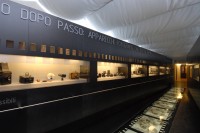
In the heart of the medieval city of Calenzano is the Museo del Figurino Storico (Museum of Historical Figurines), better known as the Museo del Soldatino (Museum of the Toy Soldier), which through a fusion between historical research and modeling, aims to trace our past through the display of toy soldiers. The entrance to the museum is easily reachable thanks to many traffic signs, and the museum is free and accessible for the disabled.

Upon entering, the exhibition pathway is clearly discernable through the architectural environment. It is a single floor divided into two rooms creating a circular route. There is a map on the immediate right of the first room that illustrates the breakdown of the seven sections of the museum. Passing through the first room we are immersed in the world of modeling: numerous text panels, integrated with graphic representations. These panels show us analytically the history of modalism, while an entire case is dedicated to the exposition of the various fazes of the realized toy soldiers. It is a way to explain to the visitor how the toy soldiers are constructed.

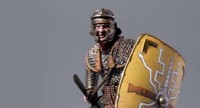
The other sections retrace the eras, which characterize the history of Calenzano, without neglecting the general historical context. We meet the ancient roman world, the medieval age, the epoch of Napoleon, Risorgimento, and the twentieth century. In the second room we find a section entirely dedicated to World War II.

Every section is characterized by the exposition of the toy soldiers that are produced contemporarily for the museum specifically, and are dressed up in costumes based on the different eras that were just described. There are also entire armies and battle recreations that are represented in cases and are accompanied by detailed text panels describing the historical events that are clearly visible. Unfortunately, the text panels are only in Italian, however, there are exhibit booklets available in English. At the end of the first room, there are two computers that give information on the museum and contain a three dimensional reconstruction of Medieval Calenzano.  This reconstruction was made possible thanks to the research and the studies by the curator of the museum.

The second room immerses the visitor in the period of the Second World War, with particular attention to theGothic Line (part of the Italian Campaign in WW2 defenses against the Nazi Army to protect Northern Italy) and the Resistance; including mannequins dressed in military uniforms carrying weapons. The toy soldiers were produced contemporarily specifically for the museum to display. Included in this room are clippings of the front pages of newspapers during that historical time.

At the end of the exhibit there is a guest book for the visitors to sign, and also a questionnaire where the viewers are asked to give their opinion about the museum. This is an instrument that witnesses the attention that the curators give to the museum educational aspect.

The illumination of the cases is ensured by the use of spotlights that are positioned on the top of the inside of the cases, and by natural light from outside.

The museum also includes a small space used as a bookshop.

The labels offer brief descriptions of every object include information in chronological order and there are also very detailed text panels. All of this makes it possible to create a route through the museum that is easily comprehendible and appreciable by people who are not experts.

The collaboration with the Museo Stibbert, the Soprintendenza Archeologica della Toscana and the University of Florence and Siena, recent donations, the collection of Guglielmo Maetzke who is a famous Florentine archaeologist who passed away in 2008, confirm the high level reach of this Calenzanese institution.

Notwithstanding, the environment is small; the Museo del Figurino Storico succeeded in emphasizing their collections through correctly displaying the objects, and by offering a lot of supportive material for visitors.

For more information visit the website:

http://www.museofigurinostorico.it/A.html


Il museo del figurino storico a Calenzano

Lucia Socci (Università di Firenze)

Nel cuore dell’antica città medievale di Calenzano sorge il Museo del Figurino Storico, meglio conosciuto come il Museo del Soldatino che, attraverso un’ottima fusione fra ricerca storica e modellismo, si propone di ripercorrere il nostro passato attraverso l’esposizione di soldatini.

L’ingresso al museo, facilmente raggiungibile grazie alle numerose indicazioni stradali presenti, è gratuito e garantito anche ai diversamente abili.

Una volta entrati, il percorso espositivo si delinea perfettamente, sia per l’architettura dell’ambiente, composto da un unico piano diviso in due sale, sia grazie ad una piantina che troviamo immediatamente sulla nostra destra e che illustra chiaramente la suddivisione delle suddette sale in sette sezioni.

Percorrendo la prima sala veniamo subito proiettati nel mondo del modellismo: numerosi pannelli esplicativi, integrati da rappresentazioni grafiche, ce ne illustrano in modo analitico la storia, mentre un’intera teca è dedicata all’esposizione delle varie fasi di realizzazione dei soldatini.

Le altre sezioni ripercorrono le epoche che hanno segnato la storia di Calenzano, senza tuttavia trascurare il contesto storico generale: incontriamo il mondo antico, il Medioevo, l’Età Napoleonica, il Risorgimento e il Novecento; mentre accedendo alla seconda sala troviamo uno spaccato interamente dedicato alla Seconda Guerra Mondiale.

Ogni sezione è caratterizzata dall’esposizione di soldatini di produzione contemporanea, ma abbigliati secondo l’epoca che si intende illustrare, di interi eserciti e battaglie ed infine da pannelli esplicativi ben visibili e molto dettagliati, che descrivono l’evento storico. Questi purtroppo sono redatti solo in italiano, al contrario dei dépliants illustrativi, disponibili anche in lingua inglese.

Al termine della prima sala troviamo due computer che, oltre a fornire informazioni sul museo, permettono anche un’interessante visita virtuale in 3D della Calenzano medievale, resa possibile grazie alle ricerche e agli studi realizzati dai curatori del museo.

La seconda sala ci permette di immergerci nel periodo della Seconda Guerra Mondiale, con una particolare attenzione alla Linea Gotica ed alla Resistenza: qui sono esposti manichini con armi e uniformi militari del tempo, soldatini di produzione contemporanea ma vestiti ed equipaggiati come i soldati che parteciparono alla Seconda Guerra Mondiale, e le prime pagine dei giornali dell’epoca.

Al termine del percorso espositivo, oltre al registro delle presenze, troviamo un questionario da compilare in cui il visitatore è chiamato a dare un giudizio complessivo sul museo; altro aspetto che testimonia l’attenzione con cui viene curato questo luogo di istruzione.

L’illuminazione è garantita da dei faretti posizionati sulle pareti e all’interno delle teche, nonché dalla luce proveniente direttamente dalle finestre.

Per quanto concerne i servizi aggiuntivi, è da sottolineare anche la presenza di un piccolo spazio adibito a bookshop.

La presenza di cartellini, contraddistinti da una sintetica descrizione per ogni oggetto, l’ordinamento cronologico e i pannelli illustrativi così minuziosamente dettagliati, fanno sì che il percorso museale sia facilmente comprensibile ed apprezzabile anche dai non esperti del settore, come dimostra il crescente aumento delle visite al museo negli ultimi anni.

La collaborazione con il Museo Stibbert, la Soprintendenza Archeologica della Toscana e le Università di Firenze e Siena, nonché la recente donazione, voluta dalla famiglia, della collezione di Guglielmo Maetzke, un noto archeologo fiorentino deceduto nel 2008, non fanno altro che confermare l’alto livello raggiunto da questa istituzione calenzanese.

Nonostante l’ambiente sia piccolo, il Museo del Figurino Storico riesce a valorizzare al massimo le proprie collezioni attraverso adeguate scelte espositive e numerosi supporti alla visita che permettono una completa comprensione del percorso museale.

Per maggiori informazioni consultare il sito http://www.museofigurinostorico.it/A.html

Unstable Territory. Borders and Identity in Contemporary Art Exhibition CCC Strozzina, Palazzo Strozzi


By Maria Rosa Centimiglia (University of Florence)

The exhibit “Unstable Territory” is curated by Walter Guadagnini and Franziska Nori, and was opened on 11 October 2013 by il Centro di Cultura Contemporanea and will close to the public on 19 January 2014.

The exhibit offers the viewers a chance to reflect on the concept of borders and identity. The concept is underlined the subtitle, and these are the keywords to understanding the pathway through the exposition. Borders are intended to be an obstacle that one must overcome and they can also be meant as protective barriers. The borders can be territorial, cultural, or mental; but these cultural identities today are difficult in our world due to all of the social contamination and global migration.

The ten international artists presented in the exhibit try to explain their relationship with territory through videography, installation and photography. They identify their status as nomadic travellers who are always searching for far, distant places where they can find themselves.

The exhibit begins at the façade of the monumental Palazzo Strozzi where our gaze is immediately attracted to the unstable construction made of wood by the Japanese artist Tadashi Kawama. This artist presents a “tree house” and not only is there one on the façade, but there is also a second constructed in the courtyard of the palazzo. With these “tree houses” the artist wants the viewers to realize the sense of insecurity and instability, which will be the dominant sensation of the entire exposition.

The connection between the stable architecture of the palazzo and the ephemeral art, is repeated by the artist, Tadashi Kawama, in his principal work created specifically for the main room of the Strozzina. Here the grandiose doors that were recovered from the warehouse of the palazzo overwhelm us. The doors are no longer used for their original function and now they are not presented in their original horizontal orientation, but vertically. Due to this, the visitors who pass through this room tend to not to notice the installation, and walk underneath. Once again, this instillation invites the public to reflect on the uncertainty of the future.

The comprehension of the works, the message of the artists, and the general theme is guaranteed by the presence of the exhaustive explicative panels both in English and in Italian. The panels, however, are positioned in the corner of the entrance of each room. This produces a flood of people near the entrance, which creates obstacles between the rooms and prevents some visitors from reading the panels.

Besides the visual involvement given by the presence of many “documentaries”, there are also old newspaper clippings from the Italian duo Niccolo Benetton e Simone Santilli. There is a video installation that has six channels by the Irish artist Richard Mosse, and this installation involves us not only visually but also emotionally. It includes an audio system that allows the viewers to immerse themselves in the destabilizing atmosphere. The visitor is forced to sit down on the floor because the exhibit does not offer chairs. The visitor’s gaze is concentrated on multifocal landscape and the viewer is forced follow all six screens simultaneously. Richard Mosse’s exhibit represents a war theatre that involves the civil population in the Congo.

Moving between the different categories of the works on display, those that remain create sensations of discouragement, emptiness, and disorientation, which leaves us without answers in front of a very instable reality. The exhibition stimulates the reflections revealed to each viewer and upon leaving the palazzo, the visitor is overwhelmed with incessant questions that are necessary instruments to understanding our territory in an absolutely different way.

The Strozzi foundation makes it possible to access the exhibition free on Thursday’s from 18:00 to 23:00, and this free entrance is enriched by an interesting conference on the themes described in the exhibit. The Strozzi Foundation, in partnership with the Odeon Cinema, organize a showing of a free film that is bound to the exhibition in the Strozzina and can be seen on Tuesday’s at 20:30.

For more information visit the website:

http://www.strozzina.org/en/exhibitions/territori-instabili/


“Territori Instabili” . Confini e identità nell’arte contemporanea. Mostra CCC Strozzina, Palazzo Strozzi

Maria Rosa Ventimiglia (Università di Firenze)

La mostra “Territori Instabili” curata da Walter Guadagnini e Franziska Nori, è stata inaugurata l’11 Ottobre 2013 presso il Centro di Cultura Contemporanea e rimarrà aperta al pubblico  fino al 19 Gennaio 2014.

La mostra propone allo spettatore una riflessione sui concetti di confine e identità; concetti già presenti nel sottotitolo della mostra e che diventano parole chiave per la comprensione di tutto il percorso espositivo: confine inteso come ostacolo da superare o come barriera protettiva, un confine che può essere territoriale, culturale o mentale; identità letta come appartenenza culturale, difficile nel mondo di oggi sempre più caratterizzato dalla contaminazione sociale, digitale e dallo straordinario sviluppo della mobilità globale.

I dieci artisti internazionali presenti alla mostra, attraverso opere video, installazioni e fotografie, ci parlano della loro personale relazione con il territorio, del loro status di nomadi viaggiatori sempre alla ricerca di luoghi distanti e immensi dove poter ritrovare se stessi.

Il percorso espositivo comincia già dalla facciata del monumentale Palazzo Strozzi dove il nostro sguardo viene subito attratto dall’instabilità di una costruzione in legno dell’artista giapponese Tadashi Kawama, che presentando le sue “capanne sull’albero” sia all’esterno che all’interno del cortile del palazzo, ci permette di intuire quel senso di insicurezza e, appunto, di instabilità che sarà poi la sensazione dominante dell’intera esposizione.

La connessione tra la stabile architettura del palazzo e l’opera effimera, viene ribadita dall’artista anche nel suo lavoro principale creato appositamente per la sala maggiore dell’edificio dove la nostra testa è sovrastata dalle maestose porte recuperate dai magazzini del palazzo, non più destinate ad assolvere la funzione originale in verticale ma qui presentate orizzontalmente sul soffitto della sala. Proprio per questo motivo, i visitatori, dominati dall’euforia di scoprire le altre sale del museo non si accorgono nemmeno di camminare “sotto” un’installazione, che ancora una volta vuole invitare il pubblico a riflettere sulla precarietà e l’incertezza del futuro.

La comprensione delle opere, del messaggio dell’artista e della tematica generale viene garantita dalla presenza di esaustivi pannelli esplicativi, scritti sia in inglese che in italiano, ma posizionati nell’angolo di ingresso di ogni sala con l’ovvia conseguenza di creare un flusso di persone che ostacolano il passaggio da una sala all’altra, impedendone la lettura.

Oltre a un coinvolgimento visivo dato dalla presenza di molte opere “documentarie”, come i ritagli di giornali d’epoca del duo italiano Niccolò Benetton e Simone Santilli, l’installazione video a sei canali dell’artista irlandese Richard Mosse ci coinvolge, oltre che visivamente, anche emotivamente grazie ad un sistema audio che ci permette di immergerci in un atmosfera destabilizzante. Il visitatore, costretto a sedersi per terra per la mancanza di sedute, costringe il suo sguardo ad un paesaggio multifocale, ad uno scambio visivo tra i diversi schermi che rimandano simultaneamente al teatro di guerra vissuto dalla popolazione civile del Congo.

Spostandoci tra le diverse categorie di opere esposte, quel che resta è una sensazione di sconforto, di vuoto, di spaesamento che lascia senza parole e senza risposte di fronte ad una realtà  così “instabile”. La mostra stimola la riflessione, rivelando ad ogni visitatore un nuovo punto di vista seguito da incessanti domande che, una volta abbandonata la sede del palazzo, giungono a noi come strumenti indispensabili per guardare il nostro territorio in modo assolutamente nuovo e diverso.

La fondazione Strozzi rende possibile l’accesso gratuito alla mostra il Giovedì dalle 18.00 alle 23.00 e organizza interessanti interventi sulle tematiche presentate. Inoltre, è bene ricordare che la stessa Fondazione Strozzi, in collaborazione con il cinema Odeon, organizza la proiezione di film gratuiti legati alla mostra in corso alla Strozzina ogni martedì alle 20.30.

Per maggiori informazioni consultare il sito http://www.strozzina.org/exhibitions/territori-instabili/

Museo Nazionale della Fotographia Alinari: Permanent Tactile Exhibition

By Chelisse Perry (LdM Institute)

The Alinari Museum opened to the public in 2006, and houses a permanent collection pertaining to the history of photography in Florence and greater Italy. The museum contains over five million photographs. They are spread between the permanent collection and the archives.  The museum situated in Piazza Santa Maria Novella, organizes tactile and ‘touch tours’ for the blind and visually impaired. In the foyer of the museum, on a small platform there are two tactile maps of the layout of the museum, meant for the blind to feel before entering into the exhibition. The visitors then pass through the first room, which is always used for temporary exhibitions. However, the temporary exhibits do not accommodate the blind. In order to move through the museum safely, the walls are lined with thin metal handrails, meant to guide the visually impaired through the rooms. Along the floor accompanying the handrails are grip tape strips that also guide the blind along their tour.

After moving through the temporary exhibit, the visitors enter the chronologically organized permanent collection. Spotlights dramatically illuminate photographs in glass cases while the room remains dark. The room begins with the oldest form of photography and gradually progresses into more recent ffilm technologies. The tactile images that accompany the silver-plating technique (the oldest form of photography) are arranged with a text panel written in Italian that is then overlaid with a clear braille cover. To the right of the text are panels representing the layers of the image. In the case of portraiture, a mold of the frame is created and then a relief of the figure is placed adjacently. The description of the image in braille is there to aid the blind visitor in understanding what they are experiencing.

Further through the exhibit, tactile examples begin to change. They include a portrait of a man with a long beard, and the tactile example incorporates an enlarged version with a woolen beard. Texture, in this case, is very important for the blind visitor to understand what is on display. They can make correlations between the materials used in the tactile reliefs and what is in the actual photograph. A rocky Egyptian terrain is also transformed into a tactile representation using sands and rocks, which helps create a three-dimensional relief of the landscape. Other interesting examples include a cloud covered geometrical landscape in sharp bright colors represented in cotton and felt, and a still life photograph of a large leafed plant, and the bust of Peggy Guggenheim. As the visitors move through the two permanent exhibition rooms, they periodically experience a tactile image, an attempt at allowing someone to see with their hands. Since photography is a visual art by transforming it into a tactile medium allows the visually imparted to experience it.

A third permanent exhibition room holds negative images from large format cameras and medium format cameras. The images are displayed in a dark room and are backlit, allowing light to pass through the thin areas of the film, illuminating them in negative form. At the end of the negatives room is a short video on the history of photography in Italy. The museum represents Italian photography in two ways: first, through the Italian photographer and, secondly, through Italian subject matter. The museum, although small, is a gem and a delight for the visually impaired.

For purchase in the bookstore is a printed copy of the permanent collection catalogue in English braille and Italian braille, which includes smaller tactile images that accompany the text.

For more information visit the website:

http://www.mnaf.it


Museo Nazionale della fotografia Alinari: il museo tattile

Chelisse Perry (LdM institute)

Il Museo Alinari, aperto al pubblico nel 2006, ospita una collezione che ripercorre la storia della fotografia a Firenze e nel resto d’Italia. Esso possiede più di cinque milioni di fotografie, suddivise tra la collezione permanente esposta al museo, e un vasto archivio.

Il museo, situato in Piazza Santa Maria Novella, offre percorsi tattili per persone non vedenti. Appena entrati nel foyer del museo, dove sono sistemati un piccolo bookshop e la biglietteria, troviamo un oggetto molto interessante: su una piccola piattaforma sono presenti due mappe tattili che preparano i visitatori non vedenti al percorso del museo. L’ambiente successivo ospita invece le mostre temporanee; queste ultime non prevedono facilitazioni per i visitatori con disabilità visiva che invece possono muoversi con sicurezza all’interno delle restanti sale grazie ai corrimano che fiancheggiano le pareti del museo e alla presenza sul pavimento di nastri adesivi antiscivolo.

Dopo aver oltrepassato la sala dedicata alle mostre temporanee, si accede ad una sala poco illuminata, dove le fotografie sono esposte secondo un criterio cronologico; la poca luce serve ad enfatizzare ogni immagine disposta all’interno di una vetrina illuminata da un solo faretto, creando un’atmosfera adatta alla concentrazione. Il percorso della sala comincia con i più antichi esempi di fotografia per progredire gradualmente fino alle più recenti fotografie su pellicola.

Le forme tattili che accompagnano le lastre fotografiche in argento (le fotografie più antiche) sono disposte accanto a pannelli esplicativi scritti in italiano e braille. Tali forme rappresentano le varie parti di cui sono composte le fotografie: nel caso dei ritratti si è creata una copia della cornice e un rilievo della persona ritratta. Una descrizione dell’immagine, in braille, aiuta i visitatori non vedenti a capire cosa stanno toccando.

Inoltrandosi nel percorso museale, gli esempi tattili cambiano così che ci si può imbattere, ad esempio, nel ritratto di un uomo con una lunga barba, la cui immagine è stata ricreata attraverso un ingrandimento e con l’aggiunta di una barba di lana. La consistenza dei materiali, in questo caso è molto importante per le persone non vedenti che così riescono a capire cosa è esposto.

Anche un  paesaggio roccioso egiziano è stato trasformato in un rilievo tattile, utilizzando sabbia e roccia, materiali che aiutano a ricreare un’immagine tridimensionale del paesaggio.

Altri interessanti esempi riguardano un paesaggio geometrico con delle nuvole, dai coloro brillanti, riprodotto utilizzando feltro e cotone; una natura morta che raffigura una pianta dalle grandi foglie e un busto di Peggy Guggenheim.

Il visitatore non vedente, muovendosi all’interno delle due sale della collezione permanente, ha continuamente la possibilità di “toccare” un’immagine; un tentativo che permette di vedere le immagini utilizzando il tatto al posto della vista.

Una terza sala espone negativi di diverse grandezze, in base ai diversi tipi di macchina fotografica utilizzati. Questi sono ospitati all’interno di una sala buia e illuminati da dietro in modo che la luce possa passare attraverso la pellicola e far risaltare le parti in negativo. In fondo a questa terza sala viene proiettato un breve video che si può vedere stando comodamente seduti, riguardante la storia della fotografia in Toscana e nel resto d’Italia; sono previste alcune sedute.

Presso il bookstore è possibile acquistare il catalogo del museo in braille, sia in inglese che in italiano, anche all’interno di questo vi sono riprodotte delle immagini tattili che accompagnano il testo.

Per maggiori informazioni visitare il sito http://www.mnaf.it/

Fondazione Palazzo Strozzi: The Russian Avant-Garde Siberia and the East: Fire and Ice

By Chelisse Perry (LdM Institute)

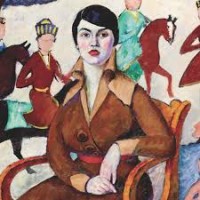
Open from 27 September 2013 to 19 January 2014, the current exhibition is curated by John Bowlt, Nicoletta Misler, and Evgenija Petrova, and has been a work in progress since the early 1990s. It is an international exhibition that discusses the important thematic relationship between Orientalism and Russian Modernism. The subtitle, Fire and Ice is a metaphor for the exhibit, which contrasts the fiery blaze of the Oriental style with the icy Russian style. Ice refers to the stagnant traditional standards of art while fire refers to the pagan ecstasy of the primitive style that permeated the art world of the twentieth century. Consequently, these works encompass Russian, Caucasian, Artic and Asian artistic interactions during the Avant-guard movement.

The exhibition begins with an in depth description of the art and culture that blossomed from these modernist artists who understood and were inspired by exotic Orientalism and the unknown. The large text panel, adjacent to the entrance, summarizes the cultural relationship between Russia and the East and the art that ensued. The first room is both breathtaking and instructive, and it includes various examples of Russian art throughout the centuries. At the entrance, a colossal stone statue dating from the thirteenth century, titled Kamennaia baba, overcomes the viewer. After adjusting to the atmosphere, you are greeted by many paintings including: Leon Bakst’s Terror Antiquus 1908, a monumental painting depicting a Grecian background and a Greek Kore in the foreground; as well as Aleksei Steponov’s Wolves by Night 1912, depicting a pack of wolves on a snowy landscape.

Spotlighting throws the art into high relief, creating a stimulating setting. The pathway is clear because each room is a precursor for the next. It takes the visitor on a journey through the Russian interactions with India, China, Siam, Greece and Japan. To note, Russian-inspired works are displayed on white backgrounds, Eastern-inspired works on grey. At the end of the exhibit, the visitor arrives as a distinctive Russian idiom; when these Avant-garde artists discover a true Russia modernist style. The rooms, incidentally, are titled based on their relationship and organization. Effigies of Wisdom Emissaries of the Cosmos, Gestures and Rituals, The Presence of the Forest, all reflect upon the spiritual and natural elements of the primitive style that flooded through the Avant-garde. Pavel Filonov incorporated cosmic entities into his works: Formula of the Period 1904-July 1922 Universal Shift in the Flowering of the World via the Russian Revolution (formerly entitled Cosmos). Konstantin Korovin includes arctic material landscapes in his friezes Remains of a Samoed Encampment. These complimented the objects used in Russian native rituals; Deer horns from a ritual site and Bear Skull on a Ritual Celebratory Spoon. 

A large text panel, in both English and Italian, accompanies each work of art. The text is large enough to allow the viewer to admire the works and read the descriptions simultaneously. Many renowned Russian artists are on display; among them are Vasilii Kandinsky, Kazimir Malevich, Pavel Filonov, Natalia Gonchardova, Leon Bakst, and others. The rooms are very well organized, stimulating and thought provoking.

The exhibit is rich and well represented and a second visit is invaluable. After purchasing a ticket, it is valid for one month.

Text booklets are available in Russian, Italian, English and Chinese and exhibition texts are available on the website in multiple languages.

http://www.palazzostrozzi.org/SezioneAvanguardiaRussa.jsp?idSezione=2549


L’Avanguardia russa. La Siberia e l’Oriente: fuoco e ghiaccio

Chelisse Perry (LdM Institute)

La mostra in corso a Palazzo Strozzi, aperta dal 27 settembre 2013 al 19 gennaio 2014 e curata da John Bowlt, Nicoletta Misler e Evgenja Petrova, è stata pensata fin dagli anni Novanta, sviluppandosi nel tempo fino ad arrivare al risultato che si può vedere oggi. Si tratta di una mostra a livello internazionale che affronta il rapporto tra l’Oriente e l’Avanguardia Russa. Il sottotitolo, Fuoco e Ghiaccio, riflette la metafora dell’approccio “freddo” dell’arte russa opposto allo stile “focoso” dell’arte orientale; a tal punto che la parola ghiaccio si riferisce anche alla stagnante tradizione dell’arte russa mentre la parola fuoco si riferisce all’estasi pagana caratteristica del primitivismo, stile che pervadeva l’arte del ventesimo secolo. Di conseguenza le opere esposte aiutano il visitatore a mettere in relazione l’arte russa, caucasica, artica e asiatica durante l’Avanguardia.

La mostra comincia con un’approfondita descrizione dell’arte e della cultura che fiorirono da quegli artisti che capirono e furono ispirati dall’oriente esotico e dall’ignoto.

Un grande pannello, adiacente all’entrata, illustra in modo sintetico la storia di come è nata la mostra e le relazioni culturali fra la Russia, l’Oriente e l’arte che ne deriva.

La prima sala è sorprendente e allo stesso tempo istruttiva e contiene diversi esempi di opere dell’arte russa attraverso i secoli. Appena entrati infatti, una colossale statua di pietra intitolata Kamennaja baba, datata al XIII secolo, sovrasta il pubblico. Dopo essersi adattati all’atmosfera della prima sala, i visitatori sono accolti da numerosi dipinti di diverso contenuto che forniscono una breve introduzione all’esposizione.

Le luci, focalizzate sulle opere, sono stimolanti e creano un ambiente rilassante e minimale che invita il  visitatore a osservare attentamente i pezzi in mostra.

Il percorso espositivo è chiaro e ingegnoso; l’allestimento permette un flusso graduale attraverso le sale che consente di apprezzare sia le opere di ispirazione russa che quelle di ispirazione orientale. Un interessante accorgimento per distinguere le diverse correnti consiste nel mostrare le opere russe su pannelli di colore bianco, mentre quelle orientali sono poste su pannelli di colore grigio.

Un grande pannello esplicativo, scritto sia in inglese che in italiano, accompagna ogni opera e, grazie alle sue dimensioni, il visitatore può fermarsi ad una certa distanza dall’oggetto per ammirarlo nella sua interezza e, allo stesso tempo, leggerne la descrizione fornita.

Molti artisti famosi, citati nei dépliants della mostra, sono qui esposti  come Vasili Kandinsky, Kazimir Malevic, Pavel Filonov, Natalia Gonchardova, Leon Bakst, e molti altri.

Le sale sono ben organizzate e stimolanti; tra l’altro sono intitolate in base alle opere  presentate e ai contesti a cui queste sono legate, come si può riscontrare nelle sale Effigi di saggezza. Gli interpreti del cosmo; Gesti e rituali. Immagini taumaturgiche e Le presenze dalla foresta, le quali riflettono tutte sulle componenti naturali e spirituali dello stile primitivista che inondano l’Avanguardia Russa. Molti artisti, come Pavel Filonov, incorporano entità cosmiche nei loro quadri; così come nei pannelli di Konstantin Korovin sono compresi paesaggi artici e composizioni che integrano gli oggetti rituali dei nativi esposti in mostra.

Una volta terminata la visita, ci si sente illuminati e ben informati; essa è ricca, ben presentata e vale la pena fare una seconda visita.

I booklets sono disponibili in italiano, inglese, russo e cinese e i testi della mostra possono essere scaricati dal sito di Palazzo Strozzi, in numerose lingue.

Per maggiori informazioni, visitare il sito: http://www.palazzostrozzi.org/SezioneAvanguardiaRussa.jsp?idSezione=2496