Textile Museum – Prato
Prato Textile Museum
A Contemporary Perspective of a Historical Industry
By Marissa Acey (Istituto Lorenzo de’ Medici)
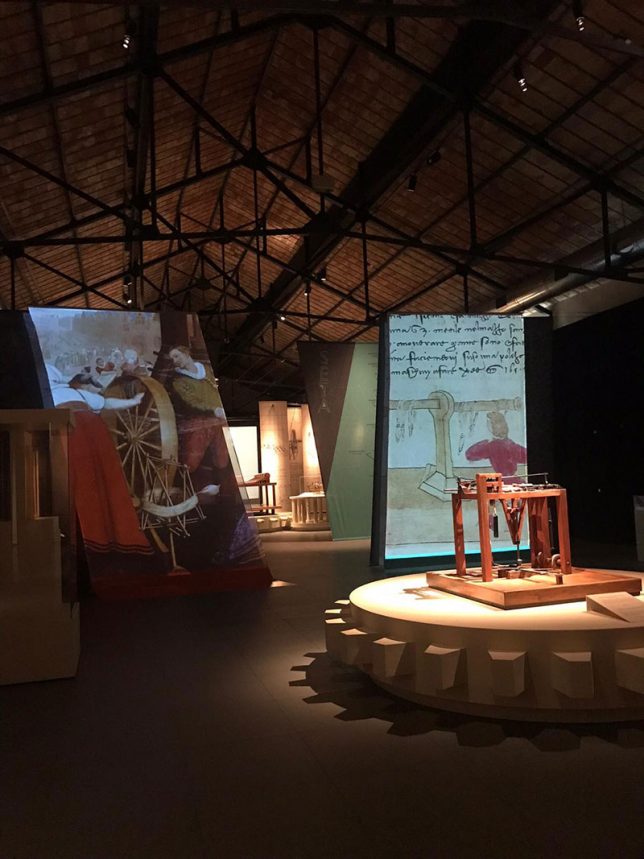
Prato is renowned for its industry of textiles, supplying a high percentage to the top fashion industry. The Textile Museum is an institution that defies expectation. Illustrating a city that’s textile and fashion history began in the Middle Ages but still thrives today, the institution is not only an informative but engaging display of educational Italian history. Built on a restored space of a textile factory, the museum initially boasts the process and machinery used throughout the
twentieth century to make garments of all types. The design of the museum itself is a walk through the industry beginnings to today while also evolving throughout with appealing display techniques and technology as you make your way throughout the two floors.
The first room of the museum demonstrates this history by showing a huge machine that was traditionally used in the industry. Moving along the path, we encounter royal garments and famous portrait counterparts that match the material: a striking display with dramatic lighting and enlarged paintings but otherwise a flat presentation. The room itself is dim and the lighting
consists of bright spotlights or illumination inside glass cases to show the importance of each piece. The diagonal layering of cases in the second room illustrates the history of velvet and other such Renaissance royalty high-end fashions, along with paintings of aristocrats wearing those materials. While the display is attractive and informative, the enthusiasm comes out in the
following rooms.
Along the hallway leading up to the second floor of the museum, there are tangible displays that emphasize textiles in the best way that can be explained – through touch. A hallway filled with stations of material that can be embraced and experienced, with the help of the accompanying wall text, is a highlight of the museum experience so we all can really understand, for example, where silk came from and why it feels so great when we touch and wear it. Not only does this long hallway make use of an otherwise awkward space for display with clear boxes filled with material to explore, but the graphics and wall text are modern and engaging. Though there is quite a lot of text explaining the history of each material and how it is made into a garment, the appealing design layers the information in a way that doesn’t overwhelm the eye. This area is especially intriguing for younger audiences by placing the boxes at a level that even smaller children can interact with.
After this brilliantly tactile display, the visitor is invited upstairs where they can engage in a video presentation of the city’s industrial history. I strongly recommend this activity, which in its totality can take up to 30 minutes, though no one would be disappointed to sit and watch this story unfold. The room is constructed masterfully, bottlenecking to a point where the visitor can
go through the doorway into the next room or sit and take a break while watching the video display. In my opinion, it is difficult to walk past without examination because of the uniquely individual manner of display.
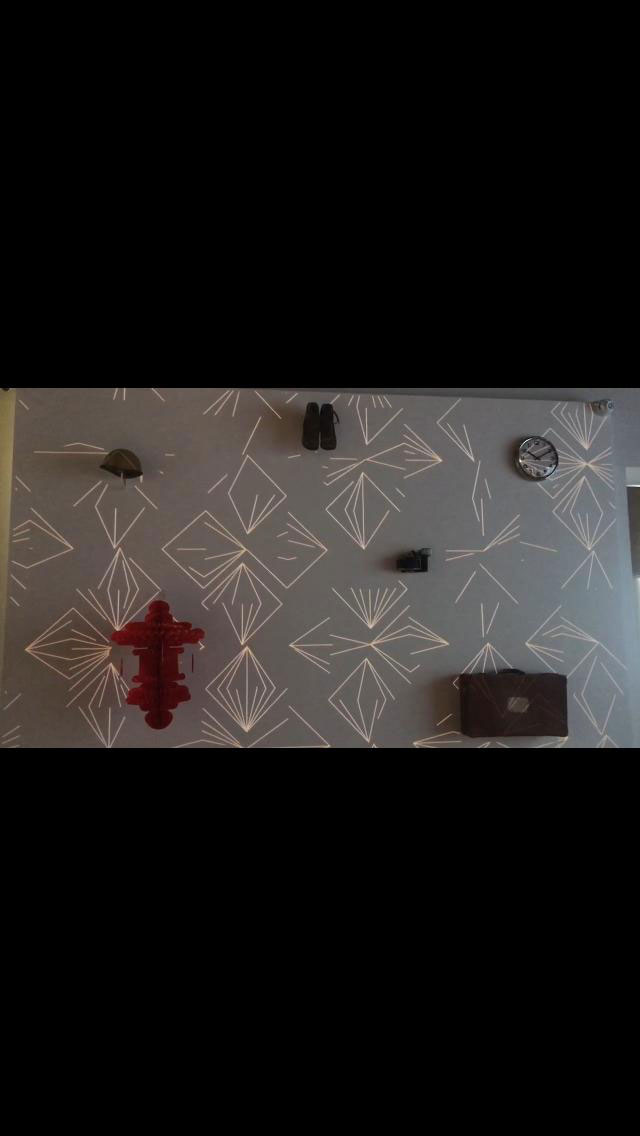
On all the screens (they are physically split up into 3 encompassing projections) there is a cohesive story that is told while highlighting a different physical object on the center display; whether it be a Chinese lantern, a pair of running shoes, or a wall clock. Though there seems to be no connection to these items a narrative is eventually formed: that of how the citizens and industries of Prato form the importance of the country. The screens are about ten feet high and
fivteen-twenty feet wide, splitting in a way that encompasses the viewer in front and peripherally. By projecting not only a history of the city but also designs and patterns that please the eye, the museum is standing as an educational entity and as an aesthetic one. I especially enjoyed one screen that had a hanging mannequin and dress as a blank canvas to project different patterns on it throughout the runtime. All in all, this place of industry prospers as a business trade as well as an artistic one. The integration of not only tactile and historical technique but also that of advanced technology reveals that this museum should be examined with an eye that is appreciative of the past and optimistic about the future. The overall design and layout is diverse and engaging to an amateur
museum visitor, and even an avid one. An institution that can not only examine and emphasize its past but also run headlong into the future is a museum (and city) that I am well behind. By taking a city’s history and adapting it for future outcomes, there is not only an acceptance and appreciation of tradition, but an evolution projected that will help to progress the city into the
next decade.
Museo del Tessuto – Prato
Il Museo del Tessuto di Prato
Una lettura contemporanea dell’industria storica
Di Marissa Acey (Istituto Lorenzo de’ Medici)
Prato è famosa per la sua industria tessile, che costituisce un’alta percentuale dell’industria dell’alta moda italiana. Il Museo del Tessuto è un’istituzione che supera ogni aspettativa: mostrando alla città come la storia del tessuto e della moda, iniziata nel Medioevo, è ancora oggi fiorente: l’istituzione non solo offre informazioni ma anche una coinvolgente esposizione della storia dell’educazione italiana. Costruito negli ambienti ristrutturati di una fabbrica tessile, il museo inizialmente mostra i processi e i macchinari utilizzati nel XX secolo per realizzare abiti di tutti i tipi. La struttura stessa del museo è pensata come un percorso attraverso la storia dell’industria dalla sua nascita fino ad oggi, presentando via via accattivanti tecniche di allestimento e tecnologie che si incontrano mentre si cammina attraversi i due i piani.
La prima stanza del museo illustra questa storia con l’esposizione di un grande macchinario tradizionalmente utilizzato nell’industria. Muovendosi lungo il percorso, incontriamo mantelli e ritratti famosi posti in posizione speculare ad essi così da creare una corrispondenza con il materiale esposto: uno straordinario allestimento con una scenografica illuminazione e grandi dipinti ma tuttavia una presentazione piatta. La stanza è buia e l’illuminazione avviene attraverso faretti o luci poste nelle teche di vetro che mettono in mostra l’importanza di ogni singolo pezzo esposto. La disposizione diagonale delle teche nella seconda stanza illustra la storia del velluto e di altri materiali di lusso di moda presso la nobiltà del Rinascimento insieme a dipinti di aristocratici che indossano questi tessuti. Sebbene l’allestimento sia avvincente e ricco di informazioni, l’entusiasmo aumenta nelle sale successive.
Lungo il corridoio che conduce al secondo piano del museo, sono presenti allestimenti tangibili che mettono in risalto i tessuti nel miglior modo possibile attraverso il tatto. Un corridoio riempito di materiali che possono essere toccati e provati, con l’ausilio di spiegazioni scritte sulle pareti, è il clou dell’esperienza museale in quanto tutti possiamo così davvero comprendere, per esempio, da dove proviene la seta e perché è così piacevole da toccare o indossare.
Questo lungo corridoio utilizza uno spazio, altrimenti angusto per l’esposizione, con teche trasparenti riempite di materiali da conoscere, per di più la grafica e i panelli esplicativi sulle pareti sono moderni e accattivanti.
Sebbene ci siano molti pannelli esplicativi che spiegano la storia di ogni materiale e il processo di lavorazione per trasformalo in un indumento, la calibrata struttura del testo propone le informazioni in modo da non stancare gli occhi.
Questa sezione è particolarmente interessante per il pubblico più giovane con i contenitori posizionati ad un’altezza tale che anche i bambini più piccoli possano interagirci.
Dopo questo affascinante allestimento tattile, il visitatore è invitato a salire al piano superiore dove può dedicarsi alla visione di un filmato di presentazione della storia industriale della città.
Consiglio vivamente questa attività, che in totale richiede al massimo 30 minuti, e ogni visitatore può avere il piacere di star seduto e guardare lo svolgersi della storia. La stanza è costruita con gran maestria, posizionata in un punto strategico dove il visitatore può scegliere di andare attraverso la porta nella sala successiva o sedersi e prendersi una pausa mentre guarda il filmato.
Per me è difficile passare oltre senza esaminarlo per la forma straordinariamente singolare dell’esposizione. In tutti gli schermi (sono fisicamente separati in tre proiezioni) c’è una storia coesiva che è narrata mentre si mette in luce un diverso oggetto al centro del display: che sia una lanterna cinese, un paio di scarpe da corsa, o un orologio da muro. Sebbene non sembri esserci una connessione fra questi oggetti, alla fine se ne comprende la storia comune: come i cittadini e le industrie di Prato costituiscano l’importanza del paese. Gli schermi sono alti circa 10 piedi e larghi 15-20 piedi, suddivisi in un modo che coinvolge lo spettatore frontalmente e da ogni lato.
Attraverso non solo la proiezione di una storia della città ma anche grazie alla progettazione e alle forme piacevoli da vedersi, il museo si attesta come un soggetto educativo e allo stesso tempo di valore estetico.
Ho particolarmente apprezzato uno schermo con un manichino appeso e vestito con una tela bianca per poterci proiettare sopra diversi modelli per tutto il tempo.
Nel complesso, questa città industriale ha successo sia come luogo di affari che di arte.
L’integrazione non solo fra tecniche tattili e storiche ma anche della tecnologia più avanzata fa comprendere che questo museo dovrebbe essere osservato con uno sguardo che sia di apprezzamento per il passato e ottimista per il futuro.
La complessiva forma e struttura è diversa e indirizzata sia ad un visitatore principiante, sia ad uno più esperto di musei. Un’istituzione che non solo esamina ed enfatizza il suo passato ma che corre avanti nel futuro è un museo (e una città) che incontra il mio consenso.
Prendere la storia di una città e adattarla alle situazioni future comporta l’accettazione e l’apprezzamento della tradizione, ma anche una proiezione dell’evoluzione che aiuterà la città a progredire nel prossimo decennio.
Traduzione di Camilla Torracchi (Università di Firenze)
Photo courtesy Marissa Acey