Power and Pathos

By Tyler Ostrander (Lorenzo de’ Medici)


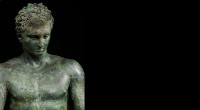
Palazzo Strozzi’s latest exhibition, entitled “Potere e Pathos”, or “Power and Pathos” focuses on bronze sculptures of the Hellenistic period (4th-1st centuries BC).  This exhibition will continue to run until June 21, 2015, and can be accessed between the hours of 10 AM to 8 PM, with extended hours on Thursday from 10 AM to 11 PM.  The show was made possible by combining the collections of some of the world’s leading museums, including the British Museum, the Musée du Louvre, the Galleria degli Uffizi, and the Metropolitan Museum of Art.  These works of art depict a multitude of characters, from the athletes of ancient times to legendary gods and heroes, as well as historical figures.  The didactic and interactive materials presented in this exhibition are numerous, yet all work towards a central goal of providing the visitor with a deeper understanding of the objects on display, as both an artistic and archaelogical piece.

A portion of the exhibition takes the visitor through the various stages of a bronze’s life.  In one room, there is a series of reproductions set up on a table which detail the numerous phases in the creation of a bronze statue, which help to give the viewer better insight on the complicated process that led to the beautiful pieces that they are viewing.  In addition to this, the history of each piece after its creation is also detailed, taking into consideration where it was found, whether at sea or on an archaeological site.

Potere e Pathos features a multitude of interactive elements.  Besides the user-friendly examples of the bronze casting process listed above, the exhibition also allows the visitor to explore the concept of originals, forgeries, and copies, using the Minerva of Arezzo as an example.  Installed in one room of the exhibition are four touch tables, two of which allow the user to obtain more information on some of the pieces on display, including the discovery of a few bronzes, and the restoration of the Horse Head from Palazzo Medici-Riccardi.  The remaining two screens allow the visitor to create their own postcard, which they can email to their friends.

One of the most unique portions of this exhibit is its interactive game, entitled “The Mystery of the Missing Statue.”  Upon entering the exhibition space, the visitor is presented with a base without a statue atop it.  In order to find the missing sculpture that belongs to this base, the participant must search the exhibition for hints and other pieces of information with the help of a kit, which is provided  at the Info Point of the exhibition. This provides material for the visitor to assume one of three distinct roles: that of a forger, collector, or archaeologist.  The visitor can then formulate their own account on what happened to the statue based on the information that he or she gathered, and by submitting this account are entered into a competition to win a trip to Greece.

These didactic materials that are found in the exhibition coincide with Palazzo Strozzi’s educational mission to provide unique opportunities for visitors to experience and interact with art.  This approach seeks to attend to various audiences with a variety of interests, which can be seen in each of the educational tools listed, which are available in both English and Italian.  For those interested in learning about the technical side of a bronze’s creation, the room with reproductions would be of particular interest, while those who might want to know more on the history of the pieces can utilize the touch tables. The Mystery of the Missing Statue game encourages visitors to think critically and creatively while observing the objects on display.  These activities help to encourage concrete learning through interaction, rather than the traditional method of instruction though labels and other texts.  The methods employed in the Potere e Pathos exhibition are effective in both educating and involving visitors.


Potere e phatos

di Tyler Ostrander (Lorenzo de’ Medici)

L’attuale mostra in Palazzo Strozzi, intitolata “Potere e Pathos” o “Power e Pathos” è incentrata su sculture in bronzo di età ellenistica (IV-I secolo a.C.).

La mostra sarà visitabile fino al 21 giugno 2015 e accessibile tra le ore 10:00 e le 20:00 con orario prolungato, il Giovedi dalle 10:00 fino alle 23:00.

L’esposizione è stata possibile grazie alla combinazione delle collezioni di alcuni dei musei più importanti del mondo, tra cui il British Museum, il Musée du Louvre, la Galleria degli Uffizi, e il Metropolitan Museum of Art.

Le opere esposte raffigurano una moltitudine di personaggi; atleti dei tempi antichi, dei leggendari, eroi, e personaggi storici. I materiali didattici e interattivi sono numerosi e tutti hanno come obiettivo principale quello di fornire al visitatore una comprensione più approfondita degli oggetti in mostra, sia dal punto di vista artistico che archeologico.

In una sala ci sono una serie di riproduzioni esposte su un tavolo che mostrano dettagliatamente le numerose fasi di creazione di una statua in bronzo, contribuendo a dare allo spettatore una migliore comprensione del complicato processo che ha portato alla realizzazione dei bei pezzi in mostra. In aggiunta a questo, è parimenti riportata la storia di ogni singolo pezzo a partire dalla sua realizzazione tenendo conto del luogo dove è stato trovato, che si tratti del mare o di un sito archeologico.

Potere e Pathos è allestita con molti elementi interattivi. Oltre agli utili esempi che spiegano il processo di fusione del bronzo di cui sopra, la mostra permette al visitatore anche di esplorare il concetto di originali, falsi e copie, ad esempio con la Minerva di Arezzo.

In una sala della mostra sono installati quattro schermi touch, due dei quali consentono all’utente di ottenere maggiori informazioni su alcuni dei pezzi esposti tra cui la scoperta di alcuni bronzi ed il restauro della “Testa di cavallo” di Palazzo Medici Riccardi. I restanti due schermi permettono di creare la propria cartolina che è possibile inviare per e-mail ai propri amici.

Una delle parti più uniche dell’esposizione è il gioco interattivo intitolato “Il mistero della statua mancante” in cui, entrando nello spazio espositivo, è presentata al visitatore una base senza la statua. Al fine di trovare la scultura mancante che appartiene a questa base, il partecipante deve cercare nella mostra suggerimenti e altre informazioni con l’aiuto di un kit che viene fornito presso l’Info Point. Qui viene dato il materiale che consente di assumere uno dei tre ruoli di falsario, collezionista, o di archeologo. Il visitatore può quindi formulare per conto proprio un’ idea su quello che è successo alla statua in base alle informazioni da lui raccolte e, presentando la propria idea, partecipare ad un concorso per vincere un viaggio in Grecia.

Questi materiali didattici fanno parte della missione educativa di Palazzo Strozzi di offrire ai visitatori opportunità uniche di sperimentare e interagire con l’arte. Questo approccio tenta di rendere partecipi vari tipi di pubblico, con interessi diversi, grazie a gli strumenti educativi elencati, disponibili sia in inglese che in italiano. Per chi fosse interessato a conoscere il lato tecnico della creazione di un bronzo, la stanza con riproduzioni sarebbe di particolare interesse, mentre per chi volesse saperne di più sulla storia delle opere, possono essere utilizzate gli schermi touch. Il mistero del gioco della statua mancante incoraggia i visitatori, osservando gli oggetti esposti, a pensare in modo critico e creativo. Queste attività contribuiscono a incoraggiare l’apprendimento concreto attraverso l’interazione con l’opera piuttosto che utilizzare il metodo tradizionale delle didascalie ed altri testi. Questi elementi della mostra Potere e Pathos sono efficaci in entrambi gli obiettivi di educare e coinvolgere il pubblico.
Museo Missionario Etnografico di Fiesole


By Mackenzie Constantinou (Lorenzo de’ Medici)


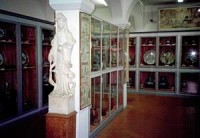
The Museo Missionario Etnografico di Fiesole, which is part of the San Francesco Monastery in Fiesole, aims to display the ancient artifacts that were found on site, works that were donated out of benevolence, and objects that were acquired through missionary trips throughout the world.  Since, this museum lacks one distinctive purpose it proves difficult to analyze and interpret, but due to the fact that each of these different types of works directly reflect friars’ contact with other peoples this institution directly reflects this external relationship.  Within this museum the art and artifacts are divided culturally and geographically, isolated in separate sections of the museum, and therefore the visitor only values these works in comparison to other products of the society.  Through the display of these objects, the visitors appreciate the objects due to their aesthetic value.

The display at the museum lacks any highly informative panels, which could provide background information on the individual pieces.  If visiting the museum without a guide the viewer would only appreciate these phenomenal pieces for their aesthetic merit, valuing them only for their artistic purpose.  However, if an individual would to visit the museum with a friar their experience would be drastically different. The friar would provide background information, not on the objects, but on the history behind collecting the work.  The friars are able to recall collecting the Etruscan artifacts while gardening or from oral stories about past missionary trips to Asia.  The individual objects within the museum act as a time capsule, and transport the individual back in time to relive past memories and experiences.

The Egyptian artifacts were donated to the museum from the Museo Egizio di Torino, which demonstrates the outreach and friendship that has been fostered between the two institutions.  The panel in Italian accompanying the mummy explains the extensive x-ray scanning that has been performed on the individual to learn more from the deceased.  Finally, the objects from Asia are tokens which friars were gifted on their missionary trips to China.  These individuals lived there for an extended period of time and consequently received these objects as gifts from the surrounding communities. Roman Catholic cultural materials, such as a communion chalice, priest ropes, and icons, are displayed within the Asia room.  These items contain a high eastern influence, which is represented in the materials, colors, and iconographic depictions.

The museum’s surprisingly vast and varied collection allows visitors insight into the travels and importance of the Missionary of Fiesole.  Furthermore, through creating a museum that displays objects from mission trips, they illustrate the evolution of Christianization and its incorporation within different cultures throughout the world.  This museum offers a chance for the public to understand the importance that wide grasp that Italian Christianity has on a world scales as well as regionally through the objects that are displayed.


Museo Missionario Etnografico di Fiesole

il Museo Missionario Etnografico di Fiesole, che fa parte del Monastero di San Francesco a Fiesole, ha lo scopo di esporre i manufatti antichi ritrovati sul posto, opere che sono state donate grazie alla benevolenza, e oggetti reperiti durante i viaggi missionari in tutto il mondo. Poiché a questo museo manca un progetto espositivo preciso risulta difficile da analizzare ed interpretare, inoltre, dal momento che ognuna di queste diverse tipologie di opere riflette direttamente il contatto tra i frati e altri popoli, l’istituzione risulta il prodotto diretto di questi contatti con l’esterno.

All’interno del museo l’arte ed i manufatti sono divisi per aree culturali e geografiche, isolati in sezioni separate del museo, il visitatore può apprezzare il valore di tali opere solamente rispetto ad altri prodotti della stessa società.

Il criterio espositivo permette al pubblico di apprezzare gli oggetti soprattutto per il loro valore estetico. L’allestimento è privo di pannelli informativi particolarmente eloquenti che potrebbero fornire maggiori informazioni sui singoli pezzi.

Visitando il museo senza una guida lo spettatore potrebbe apprezzare questi pezzi unicamente per il loro valore estetico e valutandole solo la qualità artistica. D’altro canto guardare la collezione accompagnati da un frate cambierebbe drasticamente l’esperienza. Il frate fornirebbe infatti informazioni, non solo sugli oggetti, ma sulla storia che sta dietro all’acquisizione delle singole opere. I frati sono in grado di ricordare, ad esempio, la scoperta di reperti etruschi mentre facevano giardinaggio o racconti orali su gli ultimi viaggi missionari in Asia.

 I singoli oggetti all’interno del museo funzionano come una capsula del tempo, e trasportano l’individuo indietro nel tempo per rivivere i ricordi e le esperienze passate.

I manufatti egizi sono stati donati al museo dal Museo Egizio di Torino, il che dimostra il raggio d’azione e l’amicizia che esiste tra le due istituzioni. Il pannello esplicativo – in italiano – che accompagna una mummia spiega l’ampia scansione a raggi X che è stata eseguita per saperne di più. Infine, gli oggetti provenienti dall’Asia sono doni che i frati hanno ricevuto durante i viaggi missionari in Cina. Questi missionari hanno vissuto lì per lunghi periodi di tempo e dunque hanno ricevuto questi oggetti in dono dalle comunità vicine.

Gli oggetti che fanno parte della cultura cattolica, come un calice da comunione, le corde da sacerdote e le icone, sono esposte all’interno della stanza dedicata all’Asia. Questi pezzi hanno subito una grande influenza dall’oriente che è rappresentata dai materiali, i colori e le rappresentazioni iconografiche.

Sorprendentemente vasta e variegata la collezione del museo permette ai visitatori di scoprire i viaggi e l’importanza del museo Missionario di Fiesole. Inoltre, la creazione di un museo che espone oggetti provenienti da missioni, permette di comprendere l’evoluzione della cristianizzazione e la sua integrazione all’interno di culture diverse in tutto il mondo.

Questo museo offre la possibilità per il pubblico di capire l’importanza e l’ampia influenza che il cristianesimo italiano ha su scala mondiale e regionale attraverso gli oggetti che vengono esposti


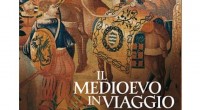
The Middle Ages traveling.

By Mackenzie Constantinou (Lorenzo de’ Medici)


On 150th anniversary since the foundation of the Bargello, the museum chose to celebrate this milestone by proposing the theme of travel in the Middle Ages.

This historical period was characterized by great mobility across Europe and toward the Orient the trade, religion, defending the faith, and politics pushed medieval men to face long journeys that the exhibition tries to reconstruct mainly through material culture.

The exhibition involves the “Réseau des msées d’art medieval” which is part of the Bargello together with the Musée de Cluny, Schnütgen Museum di Colonia, and the Museu Episcopal di Vic in Catalogna.

There are about 100 works on display, including everyday objects, maps, paintings, and sculptures.  These are grouped by topics into five sections that tell through material and artistic evidence the long and often not easy travels, which were faced by Medieval men.

The first section, entitled “The Representation of the World” returns to the visitors the view that they had in those centuries of the world and puts on exhibition the instruments that were used for orientation.  It is possible to find maps, representations of the world, maps with marked paths by Medieval travelers, and navigational instruments.

The second part is dedicated to the long journeys of pilgrims to the “salvation of the soul”.  Footwear dating back to the thirteenth century, plaques that were sewn on garments marked with the goals achieved, and portable altars before which pilgrims prayed during the long journey are exhibited here.

The stained glass window with St. James dressed as a pilgrim, coming from the vicinity of Cologne (ca. 1480), as well as the clothing typical of these travelers can be appreciated closely.

Religion was the engine for travel undertaken by crusaders to the Holy Land.  Military equipment, swords and stirrups are on display along with a fragment of which is the tomb of Count Hugo Vaude returned from the Holy Land while embracing his wife.

In addition to the material evidence, the journey is represented through literature with fantastic impressions by Febus, the knight of King Arthur.  This recalls the song “Febus and Strong” dating back to the XIV-XV century and preserved in the National Library of Florence.

Other great Medieval travelers were merchants and, in general, traveled across Europe on business.  The room exhibits documents and bills of exchange, small containers for messages that could be closed by keys bearing the coat of arms of the sender.

The last section is devoted to the movements of the courts, to those of the sovereigns and the brides that in the large chest brought with them the rich grave to new house.  The visitor is able to see everything they need to address in a comfortable journey, including a rare example of a removable table from the XV-XVI century and two precious saddles with a decorated parade horn of the fifteenth century, which belonged to the Medici’s.

The exhibition closes with a great tapestry which represents the story “Leriano and Laureola: forgiveness of the king” from about 1515-1530 at the Musée de Cluny.  This shows a scene of a departure filled with details where the visitors can see many of the equipment that accompanied the travelers in the Middle Ages.

The exhibition is well illustrated by the explanatory panels, both in Italian and English, and each work is accompanied by its caption.


Il Medioevo in viaggio. Mostra in occasione dei 150 anni della fondazione del Bargello

Di Carolina Caverni (Università di Firenze)

20 marzo-21 giugno 2015

In occasione dei 150 anni dalla fondazione del Bargello, il museo sceglie di celebrare questo traguardo proponendo il tema del viaggio nel Medioevo.

Questo periodo storico era caratterizzato da una grande mobilità in tutta Europa e verso oriente, il commercio, la religione, la difesa della fede e la politica spingevano l’uomo medievale ad affrontare lunghi cammini che la mostra tenta di ricostruire attraverso soprattutto la cultura materiale.

L’ esposizione coinvolge i musei che compongono la “Réseau des msées d’art médieval” della quale fa parte il Bargello insieme al Musée de Cluny, al Schnütgen Museum di Colonia ed il Museu Episcopal di Vic in Catalogna.

Le circa 100 opere esposte, tra cui oggetti d’uso quotidiano, carte geografiche, pitture e sculture, sono riunite per temi in cinque sezioni che raccontano attraverso le testimonianze materiali e artistiche i lunghi e gli spesso poco agevoli viaggi affrontati dall’uomo medievale.

La prima sezione, intitolata “Rappresentazione del mondo”, restituisce al visitatore la visone che si aveva in quei secoli del mondo e mette in mostra gli strumenti che venivano utilizzati per l’orientamento. Si possono trovare carte geografiche, rappresentazioni del mondo, mappe con segnati i percorsi fatti direttamente dai viaggiatori medievali e strumenti per la navigazione.

La seconda parte è dedicata ai lunghi cammini dei pellegrini verso la “salvezza dell’anima”, nelle teche si possono osservare calzature risalenti al XIII secolo, placchette che venivano cucite sulle vesti con segnate le mete raggiunte, e altari portatili davanti ai quali i pellegrini pregavano durante il lungo viaggio.

La vetrata con San Giacomo in abiti da pellegrino, proveniente dalle vicinanze di Colonia (1480 ca), oltre a restituirci l’abbigliamento tipico di questi viaggiatori permette di apprezzare da vicino la pittura su vetro con tutte le sue sfumature.

La religione era il motore anche per viaggi intrapresi dai crociati diretti verso la Terra Santa; equipaggiamenti militari, spade e staffe sono esposte insieme ad un frammento di tomba che rappresenta il conte Hugo di Vaudé ritornato dalla Terra Santa mentre abbraccia la moglie.

Oltre alle testimonianze materiali, il viaggio viene rappresentato anche attraverso la letteratura con le imprese fantastiche di Febus, cavaliere di re Artù, raccolte nel cantare “Febus el forte” risalente al XIV- XV secolo e conservato alla Biblioteca Nazionale di Firenze.

Gli altri grandi viaggiatori medievali erano i mercanti e in generale coloro che percorrevano tutta Europa per affari, dunque nelle teche ci sono le custodie per i documenti e le lettere di cambio, piccoli contenitori per i messaggi che potevano essere chiusi da chiavi recanti lo stemma del mittente.

L’ultima sezione è dedicata a gli spostamenti delle corti, a quelli dei sovrani e delle spose che in grandi cassoni portavano con se i ricchi corredi verso la nuova casa. Qui si può osservare tutto il necessario per affrontare in maniera comoda il viaggio, tra cui un raro esempio di tavolo smontabile del XV-XVI secolo e due preziose selle da parata decorate in corno del XV secolo appartenute ai Medici.

La mostra si chiude con il grande arazzo che rappresenta la storia “Leriano e Laureola: il perdono del re” del 1515-1530 circa proveniente dal Musée de Cluny dove è rappresentata una scena di una partenza ricca di dettagli in cui si possono vedere molti degli equipaggiamenti che accompagnavano i viaggiatori nel Medioevo.

La mostra è ben illustrata dai pannelli esplicativi, sia in italiano che in inglese, e ogni opera è accompagnata dalla propria didascalia.

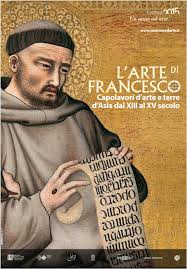
The Art of Francesco, Gallery of Academia

By Mackenzie Constantinou (Lorenzo de’ Medici)


The exhibition presents many works, including paintings, sculptures, and illuminated manuscripts which are a compendium of Franciscan art and the history of the order and its founder St. Francis of Assisi.

In the crowded halls of the Gallery of Academia exposure unfolds into three sections and two floors.  Unfortunately this path turns out to be a bit of a labyrinth; the viewer looses a little of the thread of history that is rather well explained in the information materials in both English and Italian.  Unfortunately, the explanatory panels are almost always crossing points and it is difficult, given the large crowds, pausing to read the explanations.

The works on display range from the thirteenth to the fifteenth century.  The viewer can see representations of  St. Francis’s commissions or paintings commissioned by private churches or chapels that belonged to the order.

Franciscan iconography developed shortly after the death of the Saint Santo († 1226) and reached its autonomy and originality over the centuries.  The first group of works, which is directly linked to St. Francis and to the history of the order, exhibits a horn in gold and silver.  This horn was said to have been donated by the Sultan Al Malik al Kamil during their meeting in Egypt.  The first tables date back to the XII-XIV century and represent the saint and the stories of his life.

These paintings bring the iconography of the “Life-ikon”, which specifically provides for the representation of the icon accompanied  by episodes of life.  The first Franciscan painter created one of the oldest works that utilizes this model, which is currently in the Museum of San Matteo in Pisa.  The other iconography of Francis, who was widely used, is that of the saint alone in the act of praying, holding the gospel, or holding the cross.  On display there are several examples of this iconography, including a painting by one of the foremost interpreters of Franciscan: Coppo di Marcovaldo.

In the section devoted to three hundred paintings, which is mainly represented by painting by Margarito d’ Arezzo and is also accompanied by the sculpture.

The first section of the exhibition ends with the 15th century, which offers more iconographic innovations.

Following the route the visitor enters the “Room of Giotto” which houses a space dedicated to the “Stories of Christ and Saint Francis” painted by Tadeo Gaddi in Santa Croce in Florence from 1330-36 and 1336.  In the room, the original historical display was reconstructed, though it lacks some of the panels.  This important cycle is compared with another work from Santa Croce the ‘”Stories of the Life of St. Francis” by Coppo di Marcovaldo that, before Giotto painted the basilica of Assisi, was one of the most important cycles.

The exhibition ends on the top floor with the last section dedicated to many Francescan miniatures, which tell the “Legenda Maior” or that handed down by Bonaventure.

The exhibition is an opportunity for visitors to see Franciscan masterpieces from throughout Italy and to observe the evolution of style, iconography, and techniques, while exploring the three centuries of history.


L’arte di Francesco, Galleria dell’Accademia

By Carolina Caverni (Università di Firenze)

30 marzo – 11 ottobre

La mostra presenta attraverso molte opere, tra cui dipinti, sculture e codici miniati, un compendio dell’arte francescana e nello stesso tempo ripercorre la storia dell’ordine e del suo fondatore San Francesco d’Assisi.

Nelle affollate sale della Galleria dell’Accademia l’esposizione si snoda in tre sezioni e su due piani, sfortunatamente questo percorso risulta essere un po’ labirintico; lo spettatore si trova infatti, anche a causa della scarsa segnaletica, a perdere un po’ il filo della storia che è invece ben spiegata nei materiali informativi, sia in inglese che in italiano.

Purtroppo però i pannelli esplicativi si trovano quasi sempre in punti di passaggio ed è quindi difficile, data la grande affluenza di pubblico, soffermarsi a leggere tutte le spiegazioni.

Le opere esposte vanno dal XIII fino al XV secolo; si possono vedere rappresentazioni del santo , commissioni francescane o dipinti commissionati da privati per chiese o cappelle che appartenevano all’ordine.

Quella francescana è un iconografia che si sviluppò poco dopo la morte del santo († 1226) e raggiunse una sua autonomia e originalità nei secoli. Dopo un primo nucleo di oggetti direttamente legati a San Francesco e alla storia dell’ordine, tra questi il corno in oro e argento che si dice gli venne donato dal sultano Al Malik al Kamil durante il loro incontro in Egitto, si trovano le prime tavole risalenti al XIII-XIV secolo che rappresentano il santo e le storie della sua vita.

Questi dipinti riportano l’iconografia della “Vita – ikon”, una delle più diffuse, che prevede appunto la rappresentazione dell’icona accompagnata da episodi della vita. Una delle più antiche opere che elaborano questo modello è quella dipinta da Giunta di Capitano, primo pittore francescano, proveniente dal Museo di San Matteo di Pisa.

L’altra iconografia di Francesco che ebbe largo impiego è quella del santo, da solo, in atto di pregare con in mano il vangelo o la regola o la croce. In mostra ci sono diversi esempi di questa iconografia, tra questi una tavola dipinta da uno dei più importanti interpreti dell’arte francescana: Coppo di Marcovaldo.

Dal momento che la riflessione su Cristo crocefisso era un momento fondamentale della spiritualità di quest’ordine, nelle chiese francescane erano molto diffusi anche i crocefissi e la mostra ne propone diversi pregevoli esempi.

Nella sezione dedicata al trecento la pittura, che è rappresentata soprattutto dai dipinti di Margarito d’Arezzo, è accompagnata anche dalla scultura.

Questa prima sezione della mostra si conclude con il quattrocento che propone ulteriori innovazioni iconografiche.

A questo punto bisogna cercare la “Sala di Giotto” in cui è ricavato uno spazio dedicato alle “Storie di Cristo e San Francesco” dipinte da Taddeo Gaddi a Santa Croce a Firenze tra il 1330-36 e il 1366. Nella stanza è stata ricostruita la disposizione originale delle storie, sebbene manchino alcune delle formelle, questo importante ciclo è confrontato con un’ altra opera proveniente da Santa Croce le “Storie della vita di San Francesco” di Coppo di Marcovaldo che, prima che Giotto dipingesse la basilica di Assisi, rappresentava uno dei cicli più importanti.

La mostra si conclude al piano superiore con l’ultima sezione dedicata alle miniature francescane molte delle quali raccontano la “Leggenda Maior” ovvero quella tramandata da Bonaventura da Bagnoregio.

L’esposizione è un occasione per vedere riuniti insieme capolavori dell’arte Francescana provenienti da tutta l’Italia, osservare l’evoluzione degli stili, delle iconografie e delle tecniche, e approfondire tre secoli di storia dell’ordine.