Museo Stibbert
A journey into the world of an avid collector
By Maire-Claire Desjardin (Instituto Lorenzo de’ Medici)
Monday-Wednesday: 10:00-14:00 (ticket office closes at 13:00)
Friday-Sunday: 10:00-18:00 (ticket office closes at 17:00)
Full price ticket: € 8,00
Reduced rate: € 6,00
Tucked away on a scenic hillside just outside of the city center, easily accessible by tram, the Stibbert Museum houses an enormous collection armor and art amassed by Frederick Stibbert (1838-1906) a wealthy Anglo-Italian aristocrat. Separating the museum, born through Stibbert’s passion for antiquities, from the founder is a seemingly impossible task due in part to its being held inside of his former private residence. Donated to the city of Florence after his death, the Stibbert Museum was opened to the public in 1909. The museum itself is a spectacular journey through various eras and geographical locales, Stibbert’s personal taste and method of display is omnipresent in the space adding to its characteristic appeal. Many of the original installations chosen by the founder remain, inspired by paintings and frescoes, acting to maintain the historic 19th century aesthetic decided by its founder.
Because of the open nature of the arrangements, and vastness of the collection, visitors are required to be accompanied throughout the space. This is possible for the duration of museum opening hours and is done at the top of the hour for groups of up to 25 people per visit. The tour requires approximately an hour and a half, and although not guided, the knowledgeable staff point out details of the collection, and about the collector, that could otherwise be easily missed without this service.
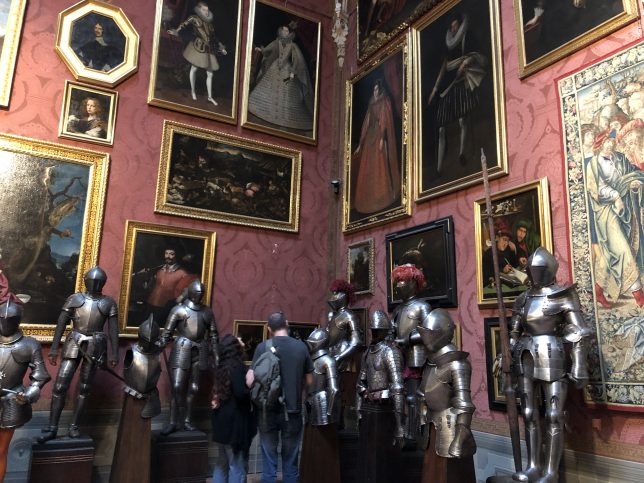
The itinerary is not presented in a strictly chronological order, but rather through geographical and atmospheric groupings. The visit begins in what is essentially a painting gallery but adds the intriguing element of a wide variety of European parade armor displayed on mannequins at eye level throughout the space. The paintings, at times originals by European masters such as Alessandro Allori and Justus Sustermans, and others later copies, help to illustrate various civilian and military fashions mainly from the 16th to 18th centuries.
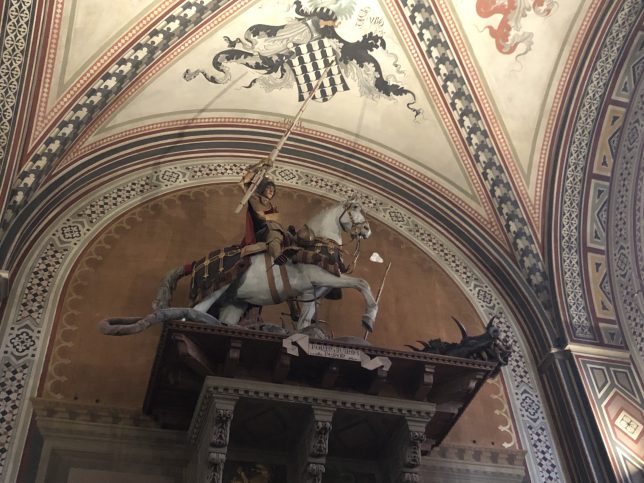
Continuing through the museum itinerary visitors are guided into a smaller room boasting the oldest elements of the collection. Two Egyptian sarcophagi are displayed in a space custom built to house them, and among the seemingly endless variety of small metal military accessories are examples from the Etruscan and Roman Imperial periods. It is in this room that visitors are first presented to the eccentric display choices of the collector himself: a life-sized model of horse and rider, emulating John Hawkwood’s tomb in Santa Maria del Fiore. The use of mannequins and models continues throughout many of the museum’s spaces allowing for the armor and dressage accessories to be displayed three-dimensionally and creating an imposing visual effect.
Visitors are then guided through two rooms dedicated to Middle Eastern Armory containing examples of military and civilian wear from the diverse and far-reaching Turkish, Persian, Moghul and Sindhi dynasties. These are displayed together in a fantastical room designed by Stibbert himself and inspired by the intricate interior decorations of Alhambra. Included in this section of the museum is an interactive didactic installation where visitors are invited to try on replica helmets and chain-mail.
The second floor contains the largest collection of Japanese armor outside of Japan with examples of swords, armor, textiles and costumes spanning from the Momoyama to Edo periods 1568-1868). Although Stibbert never visited himself, he was inspired to create the space after visiting an international exhibition in the late 1870s.
The enormous museum space continues through the private residence where visitors are able to view luxurious contemporary features of the building and Stibbert’s own comparatively modest room. Parts of the space have been utilized to display European garments, perhaps most notably the ‘petit costume’ made for Napoleon’s coronation as king of Italy.
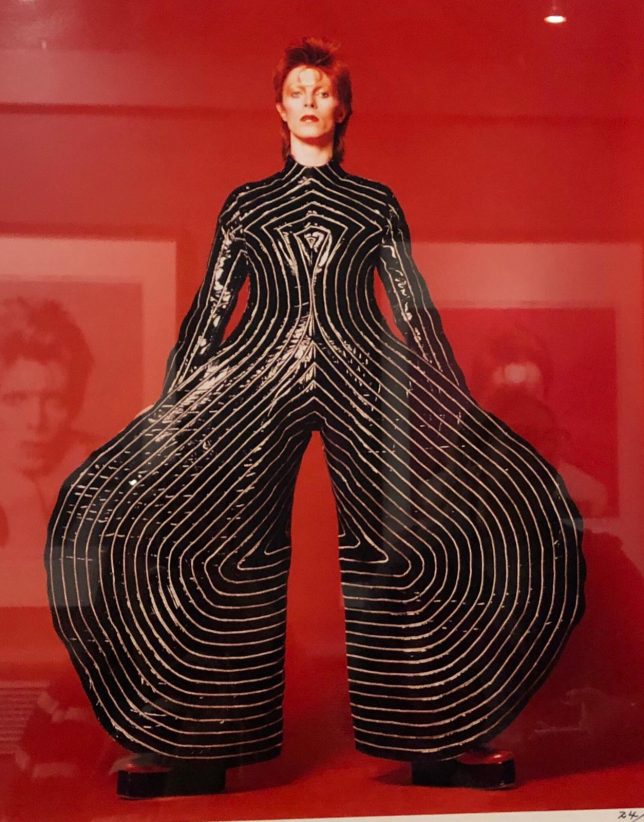
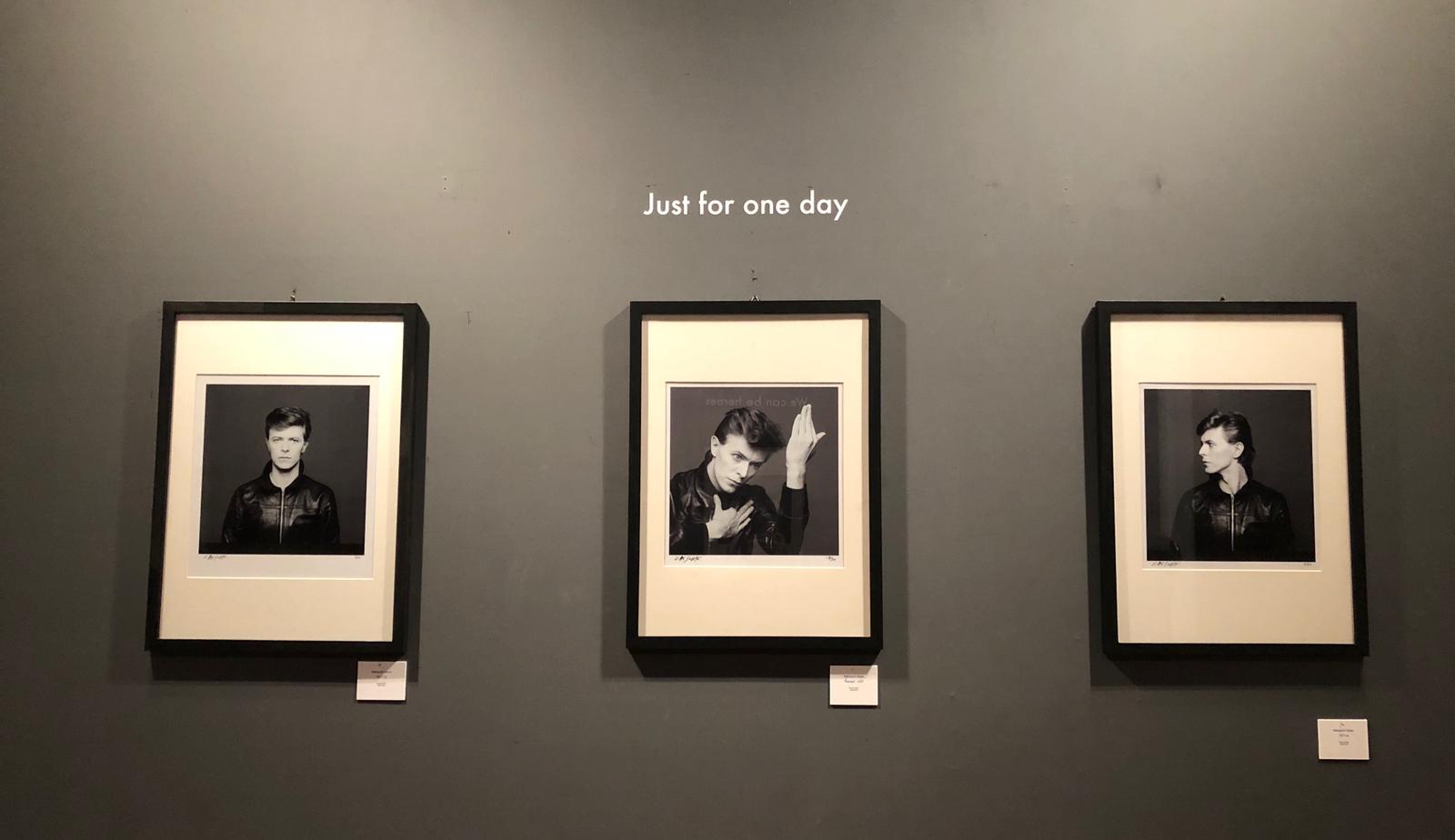
The museum concludes with a temporary exhibition space included in the price of entry. Currently visitors are invited to further contemplate Stibbert’s multifaceted personality with the exhibition Artist and Collector, open until September 1st. Lesser known contemporary elements of his enormous collection are displayed with his own paintings creating a dialogue between collector as artist and popular painters of 19th century. Visitors are introduced to the young Stibbert and his pictorial training through a series of genre paintings, historical subjects, and romantic views that previously decorated the private rooms of the villa. The most celebrated of Stibbert’s works displayed in the exhibition include a series of illustrations for his book of military and civilian costumes that would be published after his death.
The Stibbert Museum offers visitors the chance to immerse themselves in centuries of history through the unparalleled collection of armor, costumes, art, and interior decoration. The fantastical display works to captivate audiences of all ages and gives insight into the mind of an eccentric 19th century collector. Through the museum we are able to visit a wide variety of eras and locations, no passport required.
Museo Stibbert
Un viaggio nel mondo di un insaziabile collezionista
Di Marie-Claire Desjardin (Instituto Lorenzo de’Medici)
Lunedì-Mercoledì: 10:00-14:00 (la biglietteria chiude alle ore 13:00)
Venerdì-Domenica: 10:00-18:00 (la biglietteria chiude alle ore 17:00)
Biglietto intero: € 8,00
Biglietto ridotto: € 6,00
Nascosto su una collina panoramica appena fuori dal centro della città, facilmente raggiungibile con l’autobus, il Museo Stibbert ospita un’imponente collezione di armature e opere d’arte raccolta da Frederick Stibbert (1838-1906), un ricco aristocratico anglo-italiano. Scindere il museo, nato dalla passione di Stibbert per le antichità, dal suo fondatore è un compito apparentemente impossibile dovuto in parte al fatto che ha sede all’interno della sua antica residenza privata. Donato alla città di Firenze a seguito della sua morte, il museo Stibbert è stato aperto al pubblico nel 1909. Il museo stesso è un viaggio spettacolare attraverso epoche e luoghi diversi, il gusto personale di Stibbert e la sua metodologia allestitiva sono onnipresenti all’interno degli ambienti arricchiti dal suo fascino caratteristico. Molte delle originarie installazioni scelte dal fondatore sono ancora presenti, ispirate da dipinti e affreschi, che contribuiscono a mantenere l’aspetto storico del XIX secolo voluto da Stibbert.
Per la natura aperta della disposizione degli oggetti, e la vastità della collezione, è necessario che i visitatori siano accompagnati in tutto il percorso. Questo è possibile nell’orario di apertura del museo e si ripete all’inizio di ogni ora per gruppi fino a 25 persone massimo per ogni visita. Il tour richiede circa un’ora e mezza di tempo e, anche se non guidato, prevede informazioni fornite dal personale esperto, in merito al collezionista e ai dettagli della collezione che altrimenti potrebbero passare facilmente inosservati senza questo servizio.
L’itinerario non è presentato in ordine strettamente cronologico, bensì attraverso ordinamenti geografici e di atmosfera. La visita inizia in quella che è essenzialmente una galleria di dipinti, ma con l’elemento intrigante di una grande varietà di armature da parata europee esposte su manichini ad altezza occhi in tutto lo spazio. I dipinti, alcuni originali di maestri europei come Alessandro Allori e Justus Sustermans, e altre copie successive, contribuiscono ad illustrare le diverse mode civili e militari principalmente dal XVI al XVIII secolo.
Proseguendo attraverso il percorso museale, i visitatori sono guidati in una stanza più piccola che vanta gli elementi più antichi della collezione. Due sarcofagi egiziani sono esposti in uno spazio costruito appositamente per ospitarli, e tra la varietà, apparentemente infinita, di piccoli accessori militari metallici si trovano esempi risalenti al periodo etrusco e dell’Impero Romano. È in questa sala che i visitatori sono introdotti per la prima volta alle eccentriche scelte allestitive del collezionista stesso: un modello a grandezza naturale di cavallo e cavaliere che emula la tomba di Giovanni Acuto in Santa Maria del Fiore. L’uso di manichini e modelli si ritrova in molti ambienti del museo e permette di disporre le armature e gli elementi da indossare tridimensionalmente creando un effetto visivo grandioso.
Il pubblico è poi accompagnato in due sale dedicate all’armeria mediorientale che ospitano esempi di abbigliamento militare e civile proveniente da diverse e lontane dinastie turche, persiane, Moghul e Sindhi. Queste sono esposte insieme in un’incredibile sala progettata dallo stesso Stibbert e ispirata alle intricate decorazioni interne dell’Alhambra. Inclusa in questa sezione del Museo è un’installazione didattica interattiva in cui i visitatori sono invitati a provare riproduzioni di elmi e cotte di maglia.
Il secondo piano accoglie la più grande collezione di armature giapponesi al di fuori del Giappone con esempi di spade, armature, tessuti e costumi che spaziano dal periodo Momoyama al periodo Edo (1568-1868). Sebbene Stibbert non vi sia mai stato, per creare l’ambiente ha preso ispirazione dopo aver visitato una mostra internazionale alla fine degli anni 70 del XIX secolo.
Il grande spazio museale prosegue attraverso la residenza privata dove i visitatori possono vedere le lussuose caratteristiche contemporanee dell’edificio e la stanza privata, relativamente modesta, di Stibbert. Una parte degli ambienti è stata utilizzata per esporre capi europei, e forse il più notevole fra questi è il ‘petit costume’ realizzato per l’incoronazione di Napoleone a re d’Italia.
Il museo termina con uno spazio espositivo temporaneo incluso nel prezzo d’ingresso. Attualmente i visitatori sono invitati a contemplare ulteriormente la personalità poliedrica di Stibbert con la mostra Artist and Collector, aperta fino al primo settembre. Elementi contemporanei meno conosciuti della sua ricca collezione sono esposti insieme ai dipinti da lui realizzati, creando un dialogo tra il collezionista nella sua veste di artista e pittori famosi del XIX secolo. I visitatori sono introdotti al giovane Stibbert e alla sua formazione pittorica attraverso una serie di dipinti di genere, soggetti storici e vedute romantiche che in precedenza decoravano le stanze private della villa. Fra le più celebri opere di Stibbert esposte in mostra vi è una serie di illustrazioni per il suo libro di costumi militari e civili, che fu pubblicato postumo.
Il Museo Stibbert offre al pubblico la possibilità di immergersi in secoli di storia attraverso l’impareggiabile collezione di armature, costumi, opere d’arte e decorazioni d’interni. L’allestimento scenografico funziona per catturare il pubblico di tutte le età e offre una visione della mente di un eccentrico collezionista del XIX secolo. Attraverso il museo siamo in grado di visitare una gran varietà di epoche e luoghi, e nessun passaporto è richiesto.
Traduzione di Camilla Torracchi, Università di Firenze
Photo courtesy Marie-Claire Desjardin