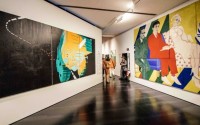
Museo Novecento

By Giulia Bagni (University of Florence)


Inaugurated on the occasion of the feast of St. John, after a wait of nearly fifty years, the Museum of the twentieth century has found a place in the Leopoldine complex that overlooks the Piazza Santa Maria Novella.

The idea of ​​a museum for contemporary art that kept the name of Florence as a living center for the arts was born thanks to Carlo Ludovico Ragghianti. In the aftermath of the flood that hit the city November 4, 1966, he appealed to artists of the time because one of their works to the city were going to shape the future of the International Museum for Contemporary Art.

Today the museum of the Twentieth Century, in addition to the municipal collections of which includes the important donation of Alberto della Ragione, also presents works on loan given to the municipality of Florence by artists, collectors, and institutions.

For most Florentines and tourists, Florence is still the symbol of the Renaissance city, but it, over time, has undergone numerous urban transformations. For this reason, the museum’s curators have placed at the entrance, in the cloister, two stations that have a touch screen map on which you can locate and retrieve information and images of cultural institutions and architecture that during the twentieth century have changed the face of Florence.

The exhibition does not follow a chronological but a thematic pathway that develops into two groups: one starts from the end of the eighties and finished in the sixties, when the city lived through national and international artistic experiences. The other focuses on the collections donated to the municipality by artists and collectors such as the already mentioned della Ragione, or the legacies of Aldo Palazzeschi and Ottone Rosai.

During your visit you can also see two small rooms dedicated to the Maggio Musicale Fiorentino, whose archives are full of sketches for sets and costumes made by hand by artists such as de Chirico or Guttuso, and the birth of the fashion event known today as Pitti Immagine.

Every two or three years the works on display in the rooms will undergo a rotation to make sure that all items that are part of the Collezioni Civiche Fiorentine can be made visible to the public.

All the rooms of the museum are introduced by explanatory panels, both in Italian and in English, and the information provided can be deepened through numerous media: tablets containing historical documents such as old photographs, newspaper articles and videos; and monitors that broadcast interviews with artists, architects (such as Giovanni Michelucci) and owners of art galleries that took a leading role in the art of the last century.

The tour ends where there is a video made ​​up of a series of cut-up film mounted in chronological order intended to show the image of Florence in the Italian and international cinema.

The bookshop is still under construction, however, when you purchase your ticket at the visitor is given a helpful booklet that guides them through the rooms.

For more information visit:

http://www.museonovecento.it/


Museo Novecento

Giulia Bagni (Università di Firenze)

Inaugurato in occasione della festa di San Giovanni, dopo un’attesa durata quasi cinquanta anni, il Museo del Novecento ha trovato posto nel complesso delle Leopoldine che si affaccia sulla Piazza di Santa Maria Novella.

L’idea di un museo di arte contemporanea che mantenesse il nome di Firenze come centro vivo per l’arte, nacque grazie a Carlo Ludovico Ragghianti che all’indomani dell’alluvione che colpì la città il 4 novembre 1966, rivolse un appello agli artisti del tempo perché donassero una loro opera alla città che sarebbe andata a formare il futuro Museo Internazionale per l’Arte contemporanea.

Oggi il museo del Novecento, oltre alle collezioni comunali di cui fa parte anche l’importante donazione di Alberto della Ragione, presenta anche opere date in comodato al comune di Firenze da artisti, collezionisti ed enti.

Per la maggior parte dei fiorentini e dei turisti, Firenze è sempre la città simbolo del Rinascimento, ma essa, nel corso del tempo, ha subito numerose trasformazioni urbanistiche; per questo motivo i curatori del museo hanno posto all’ingresso, nel chiostro, due postazioni touch screen che presentano una mappa della città su cui è possibile individuare e reperire informazioni e immagini delle istituzioni culturali e delle architetture che nel corso del Novecento hanno cambiato il volto di Firenze.

Il percorso espositivo non segue un criterio cronologico ma tematico che si sviluppa in due nuclei: uno inizia dalla fine degli anni ottanta del Novecento per concludersi negli anni Sessanta dello stesso secolo, quando la città viveva esperienze artistiche di rilievo nazionale e internazionali ; l’altro invece si concentra sulle collezioni donate al comune da artisti e collezionisti come il già citato della Ragione, o i lasciti di Aldo Palazzeschi e Ottone Rosai.

Durante la visita si incontrano anche due piccole sale dedicate al Maggio Musicale Fiorentino, i cui archivi sono ricchi di bozzetti per scene e costumi di mano di artisti quali de Chirico o Guttuso, e alla nascita della manifestazione di moda nota oggi come Pitti Immagine.

Ogni due o tre anni le opere esposte all’interno delle sale subiranno una rotazione per fare in modo che tutte gli oggetti facenti parte delle collezioni civiche fiorentine possano essere rese visibili al pubblico.

Tutte le sale del museo sono introdotte da pannelli esplicativi, sia in italiano che in inglese, e le notizie fornite possono essere approfondite grazie a numerosi supporti multimediali: tablet che contengono documenti storici come foto d’epoca, articoli di giornali e video; e monitor che trasmettono interviste ad artisti, architetti (come Giovanni Michelucci) o proprietari di Gallerie d’arte che ebbero un ruolo da protagonisti nell’arte dello scorso secolo.

La visita si conclude nell’altana dove viene proiettato un video costituito da una serie di cut up di film montati in ordine cronologico volti a mostrare l’immagine di Firenze nel cinema italiano e internazionale.

Il bookshop è ancora in fase di allestimento però al momento dell’acquisto del biglietto al visitatore è consegnato un utile libricino che lo guida all’interno delle sale.

Per ulteriori informazioni visitare il sito:
http://www.museonovecento.it/

Jacopo Ligozzi “Universal Painter”

By Giulia Bagni (University of Florence)


The exhibition entirely dedicated to Jacopo Ligozzi is visible until 28 September, starts from the Sala Bianca of Palazzo Pitti for advancing within the so-called flat end in the Hall of Tapestries and Sala di Bona.

The exhibition is divided into two clearly distinct sections with the use of different colors for the trim panels that serve as support for the works of art.

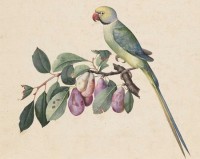
The first section, in the case of an intense dark green, covers the first phase of the artist for Francesco I de ‘Medici, who served as a designer of natural products. Also for the Medici were a portraitist, a history painter and a designer of temporary structures for public celebrations.

The second section, characterized by the color blue, takes into account the activity of Jacopo painter of religious subjects which, having executed large altarpieces for churches in Florence and beyond, and his personal reflections on the theme of moral allegories.

For each section there is an introductory panel (in Italian and English) that explains briefly what the visitor will observe. Unfortunately they are placed in passageways where reading can be difficult. Also, the news reports are too generic; many of his works of art are also named in painting where the artist took part, but without that we cannot reconnect the preparatory drawings exposed to the information previously read because the cards placed next to each work (only in Italian!) merely indicate the subject represented, the year, the material and the place of origin.

In a passage that divides the two sections were positioned three monitors that transmit a video designed to illustrate the studies carried out on the occasion of the exhibition of drawings by Ligozzi to identify techniques and materials used.

Another multimedia station is located in the so-called Loggia, frescoed by Alessandro Allori, where a short film provides more details on the works in the exhibition explaining, for example, the destination of the preparatory drawings seen in the room before.

In conclusion, the show is interesting and capable of making the audience discover the brilliance, the versatility and sophistication of this painter, especially with regard to the depiction of natural subjects. Unfortunately, it was not possible to recreate the historical and artistic context in which it moved Ligozzi and it failed to connect properly with his figure to the other artists who worked in the same time at the Medici court.

The exhibition ticket also allows access to the Palatine Gallery and the Gallery of Modern Art in Palazzo Pitti. It is recalled that the Cabinet of Prints and Drawings of the Uffizi are exposed, in conjunction with the exhibition, which include a group of botanical drawings by the hand of Ligozzi.

For more information please visit these websites:

http://www.unannoadarte.it/ligozzi/index.html

http://www.polomuseale.firenze.it/mostre/mostra.php?t=5379efc3f1c3bc4c08000000


Jacopo Ligozzi “pittore universalissimo” 

Giulia Bagni (Università di Firenze)

La mostra, interamente dedicata a Jacopo Ligozzi e visibile fino al 28 settembre, prende avvio dalla Sala Bianca di Palazzo Pitti per inoltrarsi all’interno del cosiddetto appartamento degli Arazzi e concludersi nella Sala di Bona.

Il percorso espositivo si articola in due sezioni chiaramente distinte grazie all’uso di colori diversi per i rivestimenti delle pannellature che fungono da supporto per le opere d’arte.

La prima sezione, non a caso di un intenso verde scuro, ripercorre la prima fase dell’attività dell’artista presso Francesco I de’ Medici, che lo stipendiava come disegnatore di naturalia. Sempre per i Medici fu anche ritrattista, pittore di storia e progettista di apparati effimeri per celebrazioni pubbliche.

La seconda sezione, caratterizzata dal colore blu, prende in considerazione l’attività di Jacopo quale pittore di soggetti religiosi, presentando grandi pale d’altare eseguite per chiese fiorentine e non solo, e le sue personali riflessioni sul tema delle allegorie morali.

Per ogni sezione è presente un pannello introduttivo (in italiano e in inglese) che spiega brevemente cosa il visitatore andrà ad osservare ma, oltre che ad essere posizionati in luoghi di passaggio per cui a volte la lettura può essere difficoltosa, le notizie riportate sono troppo generiche; inoltre vengono nominate numerose imprese pittoriche a cui l’artista prese parte, senza però che si riesca poi a ricollegare i disegni preparatori esposti alle informazioni precedentemente lette poiché i cartellini posti accanto ad ogni opera (solo in italiano!) si limitano ad indicare il soggetto rappresentato, l’anno, il materiale ed il luogo di provenienza.

In un ambiente di passaggio che divide le due sezioni, sono stati posizionai tre monitor che trasmettono un video volto ad illustrare gli studi compiuti in occasione della mostra su alcuni disegni del Ligozzi per individuare tecniche e materiali utilizzati.

Un’altra postazione multimediale si trova nella cosiddetta Loggetta, affrescata da Alessando Allori, dove un filmato fornisce maggiori dettagli sulle opere presenti in mostra chiarendo, ad esempio, la destinazione dei disegni preparatori visti nelle sale precedenti.

In conclusione la mostra risulta interessante e capace di far scoprire al pubblico la genialità, la versatilità e la raffinatezza di questo pittore, soprattutto per quanto riguarda la raffigurazione di soggetti naturali. Purtroppo però non si è riusciti a ricreare il contesto storico artistico all’interno del quale si muoveva Ligozzi e quindi a collegare adeguatamente la sua figura agli altri artisti che operavano nello stesso tempo alla corte Medicea.

Il biglietto della mostra consente anche l’accesso alla Galleria Palatina e alla Galleria d’arte moderna di Palazzo Pitti. Si ricorda che al Gabinetto delle Stampe e dei disegni degli Uffizi sono esposti, in concomitanza con la mostra, un gruppo di disegni botanici di mano del Ligozzi.

Per ulteriori informazioni visitare i seguenti indirizzi:

http://www.unannoadarte.it/ligozzi/index.html

http://www.polomuseale.firenze.it/mostre/mostra.php?t=5379efc3f1c3bc4c08000000