Dagli inizi del XX secolo agli anni ’60
Da Picasso a Warhol, da De Chirico a Fontana
Di Costanza Peruzzi (Università degli Studi di Firenze)
Palazzo Bartolini Salimbeni, Firenze
24 Marzo 1018 – 10 Marzo 2019
Lo scorso 24 Marzo è stata aperta al pubblico la collezione di opere d’arte di Roberto Casamonti, fondatore della celebre galleria Tornabuoni Arte. Come sede espositiva è stato scelto il piano nobile di Palazzo Bartolini Salimbeni, in Piazza Santa Trinita, all’imbocco di via Tornabuoni, “uno dei punti di riferimento della città”, spiega Casamonti sul sito internet della Collezione, “considerato uno tra i più belli e noti [edifici] della nostra città”. Il palazzo venne costruito nel 1520 da Baccio d’Agnolo, in un luogo divenuto affettivamente caro a Roberto Casamonti, in quanto proprio in via Tornabuoni, inaugurò la sua prima galleria, nel 1981. “Questa circolarità che nel ritorno definisce la mia storia, segna il mio percorso umano e professionale dalle origini ad oggi e la nascita della Collezione ne rappresenta l’epilogo”.
Le sale presentano al pubblico un’attenta e ragionata selezione di opere, scelte dallo stesso Casamonti e dal curatore della mostra e del catalogo, Bruno Corà, tra tutte le opere acquistate negli anni di attività dal gallerista.
L’esposizione è sviluppata in cinque sale, che ruotano attorno al cortile dell’edificio. Le diverse sezioni non hanno introduzioni, non vi è alcuna spiegazione che giustifica la progressione delle opere in mostra, ma questo non genera alcuna sensazione di spaesamento. Come in una galleria, ci si lascia guidare dalle sensazioni che i colori, i soggetti e le forme suscitano nel visitatore. Spostandosi tra le opere si capisce poi che il filo seguito è di tipo cronologico, e parte da Fattori, la prima tela in esposizione, per arrivare a Kounellis, che chiude l’ultima sala.
Fuori dalle porte a vetro che ci immettono nel percorso espositivo, il Grande metafisico, la grande scultura in bronzo scuro e dorato di Giorgio De Chirico, accoglie il visitatore.
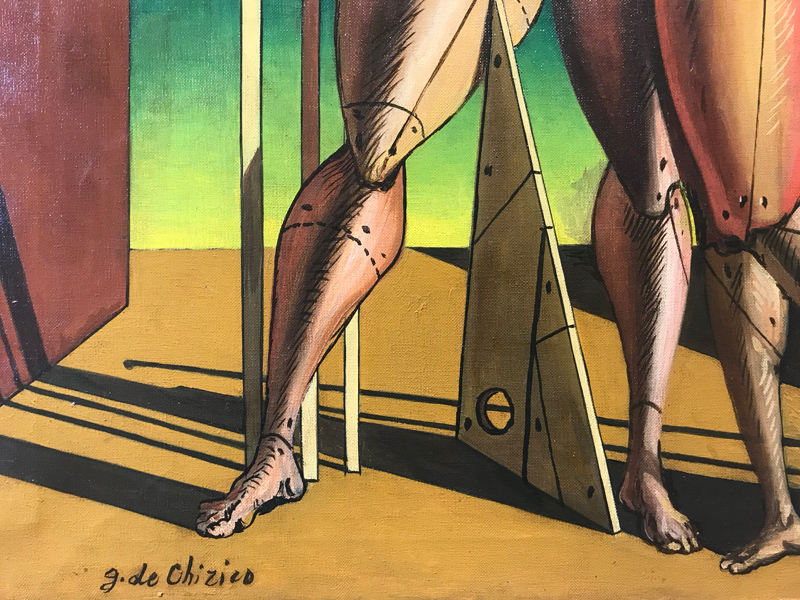
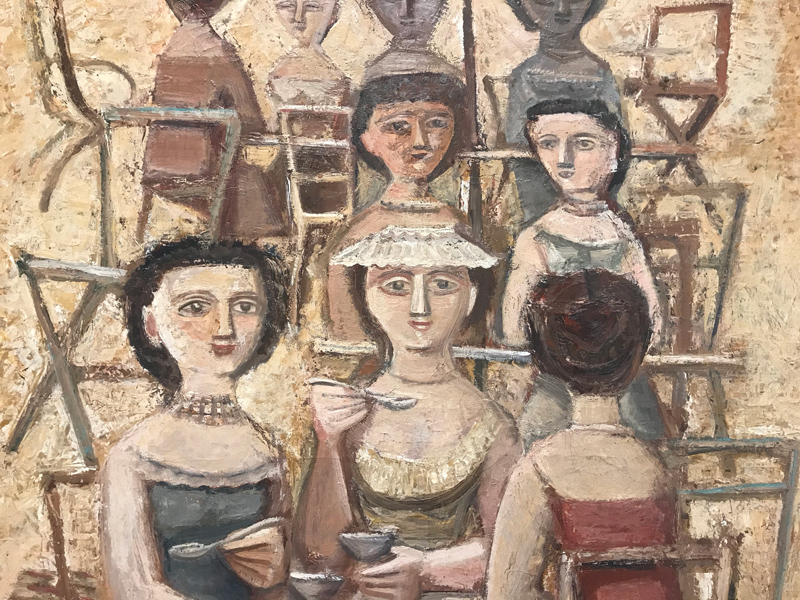
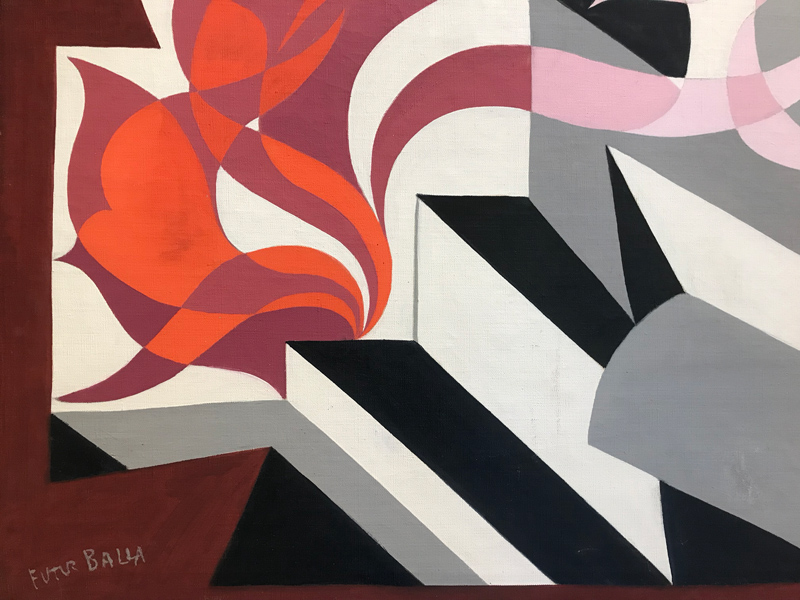
Nella prima sala, come abbiamo accennato sopra, sono presenti le opere della collezione cronologicamente più antiche: l’opera di Giovanni Fattori, appunto, In ricognizione, datata 1899, un Ritratto femminile, di Giovanni Boldini del 1890 circa e Uomini sulla panchina, di Lorenzo Viani, del 1907-1909. In questa sala, oltre a opere di Balla, Birolli, Boccioni, Campigli, Carrà, Casorati, Guttuso, Licini, Magnelli, Marini, Morandi, Paresce, Prampolini, Pirandello, de Pisis, Savinio, Severini, Sironi, Soldati, Tozzi, sono esposti altri quattro capolavori di De Chirico, La passeggiata o il Tempio di Apollo a Delfi, 1909-10, Combattimento di gladiatori, 1932, Ettore e Andromaca, 1950 e Piazza d’Italia con piedistallo vuoto, 1955, e un’opera di Ottone Rosai molto cara al mecenate, un ritratto del padre realizzato nel 1952.
L’ambiente successivo è invece dedicato ai Maestri Europei della prima metà del XX Secolo e ai movimenti d’avanguardia di cui furono protagonisti. A testimonianza dell’interesse del collezionista per il Cubismo sono esposte opere di Picasso, di Braque e di Léger; l’astrattismo è in mostra nelle opere di Klee e di Kandinsky, entrambi esponenti del Bauhaus, e poi Hartung e Mathieu, per dirne solo alcuni.
La terza sala è dedicata al gruppo Forma 1, una delle prime aggregazioni nel secondo dopoguerra. Sono presenti opere di Piero Dorazio, realizzate tra il 1948 e il 1968, di Carla Accardi, di Antonio Sanfilippo, di Achille Perilli e Giulio Turcato. Nella quarta sala: Afro, Giuseppe Capogrossi, Ettore Colla, Tancredi, Emilio Vedova, mentre nella quinta e ultima sala sono esposti i capolavori di Lucio Fontana, testimoni della passione di Casamonti per questo artista, le opere di Manzoni, di Castellani, Bonalumi e Dadamaino.
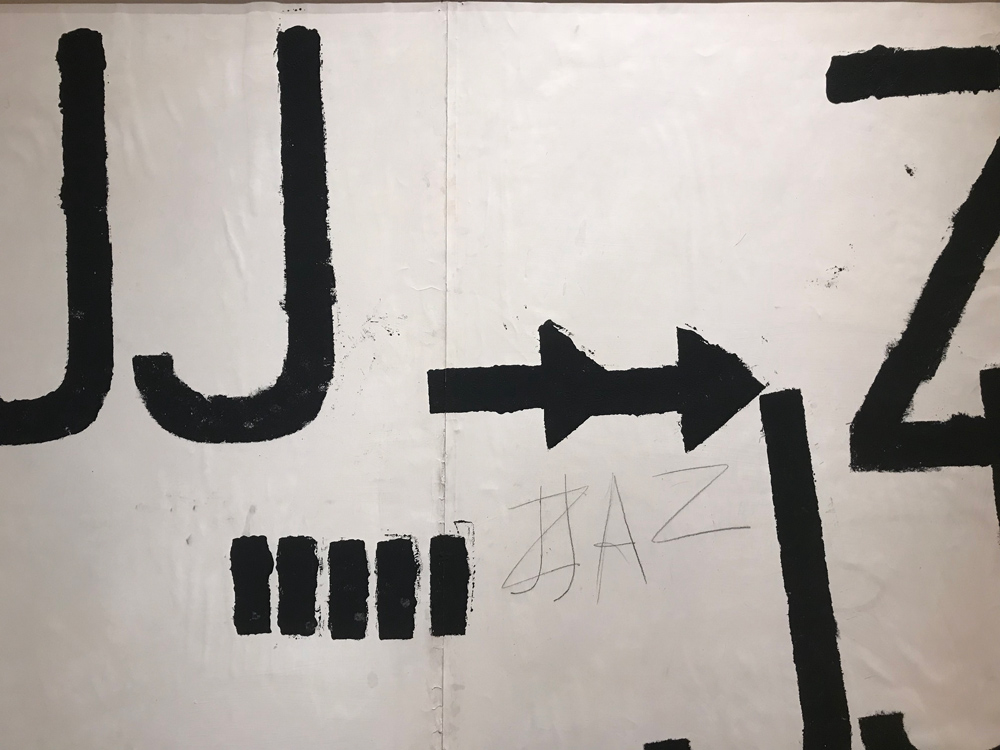
L’esposizione termina con l’opera Senza Titolo di Jannis Kounellis del 1961, che anticipa il nucleo tematico della secondo mostra, prevista per la primavera del prossimo anno, in cui verranno svelate al pubblico le opere della collezione realizzate dagli anni Sessanta ai giorni nostri.
Ad occuparsi della gestione della collezione è l’Associazione per l’Arte e la Cultura denominata “Collezione Roberto Casamonti”, guidata da Sonia Zampini, storica dell’arte collaboratrice da anni della galleria Tornabuoni Arte.
L’Associazione ha stabilito che per i primi due mesi di apertura al pubblico (fino a Maggio 2018) la visita sarà gratuita, ma è richiesta la prenotazione.
Informazioni e prenotazioni: www.collezionecasamonti.it
Roberto Casamonti Collection
From the early twentieth century to the 60s
From Picasso to Warhol, from De Chirico to Fontana
Palazzo Bartolini Salimbeni, Firenze
24 March 2018 – 10 March 2019
Translated by Nona Debenham (Istituto Lorenzo de’ Medici)
On March 24th the collection of artworks by Roberto Casamonti, founder of the famous Tornabuoni Arte gallery, opened to the public. Chosen as one of the exhibition venues is Palazzo Bartolini Salimbeni, in Piazza Santa Trinita. The grand entrance on Via Tornabuoni is “one of the city’s landmarks”, explains Casamonti on the Collection’s website, and “considered one of the most beautiful and well-known [buildings] of our city “. The palace was built in 1520 by Baccio d’Agnolo, in a place that became dear to Roberto Casamonti. In 1981, he inaugurated his first gallery, in via Tornabuoni. In choosing this location for the museum Casamonti states, “This circularity that defines my story in the return, marks my human and professional journey from the origins to today and the birth of the Collection represents the epilogue.”
The rooms present to the public a careful and reasoned selection of works, all acquired during his time as a gallery owner, and chosen by Casamonti himself as well as by the curator of the exhibition and catalog, Bruno Corà. Outside the glass doors that lead us into the exhibition path, the Great Metaphysic, the large dark bronze sculpture by Giorgio De Chirico, welcomes the visitor. The exhibition itself is developed in five rooms, which revolve around the courtyard of the building. The different sections do not have introductions, there is no explanation that justifies the progression of the works on display, but this does not generate any sensation of disorientation. Like in a gallery, we let ourselves be guided by the sensation that colors, subjects, and shapes evoke in the visitor. Moving between the works it is clear that the thread is chronological, and starts from Fattori, the first canvas on display, to get to Kounellis, which closes the last room.
The first room, as we have mentioned above, chronologically contains the oldest works of art on display. The visitor can see work of Giovanni Fattori, In recognition, dated 1899, a female portrait, by Giovanni Boldini circa 1890 and Men on the bench, completed by Lorenzo Viani, from around 1907-1909. Also in this room, in addition to works by Balla, Birolli, Boccioni, Campigli, Carrà, Casorati, Guttuso, Licini, Magnelli, Marini, Morandi, Paresce, Prampolini, Pirandello, de Pisis, Savinio, Severini, Sironi, Soldati, Tozzi, are exhibited four other masterpieces by De Chirico, The Walk or the Temple of Apollo at Delphi, 1909-10, Combat of gladiators, 1932, Ettore and Andromache, 1950 and Piazza d’Italia with empty pedestal, 1955, and a work by Ottone Rosai very dear to the patron, a portrait of his father made in 1952.
The next environment is instead dedicated to the European Masters of the first half of the twentieth century and to the avant-garde movements of which they were protagonists. As evidence of the interest of the collector for Cubism, works by Picasso, Braque and Léger are exhibited; abstractionism is on display in the works of Klee and Kandinsky, both members of the Bauhaus, and then Hartung and Mathieu, to name but a few.
The third room is dedicated to the Forma 1, one of the first groups to emerge after World War II. There are works by Piero Dorazio, made between 1948 and 1968, as well as works by Carla Accardi, Antonio Sanfilippo, Achille Perilli and Giulio Turcato. In the fourth room, are works by Afro, Giuseppe Capogrossi, Ettore Colla, Tancredi and Emilio Vedova. Finally in the fifth and last room are the masterpieces of Lucio Fontana, witnesses of Casamonti’s passion for this artist, the works of Manzoni, Castellani, Bonalumi and Dadamaino.
The exhibition ends with the work Untitled by Jannis Kounellis of 1961, which leaves the visitor with a thematic glimpse of the second exhibition, scheduled for the spring of next year, in which the works of the collection from the 1960s to the present day will be put on display.
Taking care of the management of the collection is the Association for Art and Culture called “Roberto Casamonti Collection”, led by Sonia Zampini, art historian collaborator of the Tornabuoni Arte gallery for years.
The Association has established that for the first two months of opening to the public (until May 2018) the visit will be free, but a reservation is required.
Information and reservations: www.collezionecasamonti.it