By Giulia Bagni (University of Florence)
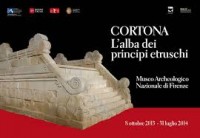
Ending on the 31st of July, in the room of the temporary exposition of the Museo Archeologico Nazionale di Firenze, it is possible to visit the exhibit dedicated to the excavations conducted by the superintendence of the Beni Archeologici della Toscana in Cortona, a small town with Etruscan origins.
The intention of the curators, which is stated in the introduction panels, is to show the activities that the archaeologists and restorers conduct during all of the excavations from the discovery of the objects to the cleaning, from the research about the function of the objects to the diagnostic research, and from the extraction to the restoration. Research activities and recovery, the visitor ignores the complexity and the importance.
The exhibit starts with the explanations of how concept of restoration is evolved during history: when the objects were still in use, the restoration is used in fact as maintenance work in order to respect the function of the preciousness of the artifact. From Humanism to the 19th century people tend to reconstruct these objects, creating fake artifacts, where it is almost impossible to distinguish between the original part and the fake part. All these concepts are illustrated well through the exposed relics in the first section, among them there are three cups with red figures from the 6th century B.C.E., which are characterized by ancient repairs.
There is a video, but unfortunately is in a poor place because it is not possible to sit and the volume is too high which disturbs other visitors. It briefly presents the history of the archeological excavations conducted in Cortona, from the 18th century.
The next three sections display artifacts that were found between 2005 and 2008 in 15 intact tombs dated between the 7th and 6th centuries B.C.E., focusing on the problems that were found during the restoration, because of the deterioration of the materials (bone, iron, bronze, and terracotta) and on the difference stages which are characteristic of the excavation: from the discovery to the transportation to the restoration laboratory where the proceeded with the diagnostic research, the cleaning, the assembly, and the integration of the fragmented pieces (all of these stages are illustrated thanks to two videos with out audio). For this reason in the cases there are burial olla (burial containers) that contain the remains of the deceased that are still uncleaning in order to explain the many stages of archaeology and restoration that occurs. Together with the uncleaned burial olla, there are ones that are showed packed and ready for transportation, olla that are pieced together and held with clamps, along with the instruments that are used by the restorers.
To make the visitors understand how the archaeologists see the tomb for the first time after uncovering it. There is a reconstruction of a tomb that shows the disposition of the burial olle as the archaeologists had found them for the first time.
Eventually, there is a graphic reconstruction on the wall, which represents how the Etruscans conducted funerals and cremations 2600 years ago.
All of the labels and the panels are only in Italian but at the bookshop it is possible to find a booklet in English (for free) that has the translated texts of the entire exhibit and a general description of all of the objects in the cases. The cases are well lighted and are at an appropriate height for the visitors to observe the objects in detail.
The curators, thanks to this didactic exposition, reached their goal to show to the public the last discoveries in Cortona and make the public aware of the specific expertise that every archaeologist knows and of the complex work of research that carries every object from the ground to the case in the museum.
When you purchase the ticket, it is possible to visit not only this exhibit but also the Museo Archeologico.
For more information please visit the website:
Cortona – L’alba dei principi etruschi
Giulia Bagni (Università di Firenze)
Fino al 31 luglio, nella sala delle esposizioni temporanee del Museo Archeologico Nazionale di Firenze, è possibile visitare una mostra dedicata agli scavi condotti dalla Soprintendenza per i Beni Archeologici della Toscana a Cortona, cittadina di origini etrusche.
L’intento dei curatori, come esplicitamente dichiarato nei pannelli introduttivi, è quello di mostrare l’attività svolta dagli archeologi e dai restauratori durante lo tutto lo scavo, dal rinvenimento degli oggetti alla loro pulitura, dallo studio delle funzioni alle indagini diagnostiche, dall’estrazione al restauro. Attività di studio e recupero di cui spesso i visitatori ignorano la complessità e l’importanza.
La mostra si apre proprio con la spiegazione di come il concetto di restauro si è evoluto nella storia: quando gli oggetti erano ancora in uso infatti si trattava di un lavoro di manutenzione che rispettava sia la funzione che la preziosità del manufatto. Dall’Umanesimo all’Ottocento invece la tendenza era quella di ricostruire, anche senza riscontri scientifici, l’oggetto nella sua integrità, arrivando a creare veri e propri falsi in cui a volte è difficile distinguere le parti originali da quelle aggiunte. Questi concetti sono ben illustrati dai reperti esposti in questa prima sezione, tra cui tre coppe attiche a figure rosse del VI secolo a.C. che portano i segni di antiche riparazioni.
Un video, purtroppo collocato in uno spazio in cui non è possibile disporre delle sedute e il cui volume troppo alto disturba la visita, presenta brevemente la storia degli scavi archeologici che hanno interessato il territorio di Cortona, fin dal Settecento.
Nelle seguenti tre sezioni sono presentati reperti rinvenuti tra il 2005 e il 2008 in 15 tombe intatte datate tra il VII e il VI secolo a.C., sempre ponendo l’accento sui problemi che si incontrano durante i restauri a causa del deterioramento dei materiali (osso, ferro, bronzo, terracotta) e sulle diverse fasi che caratterizzano uno scavo: dal rinvenimento al trasporto al laboratorio di restauro dove si procede con le indagini diagnostiche, la pulitura, l’assemblaggio e l’integrazione dei pezzi frammentati (tutti passi che sono mostrati grazie anche a due video privi di audio). Per questo motivo nelle vetrine sono esposte alcune olle contenenti le ceneri dei defunti ancora incrostate di terriccio mentre altre sono impacchettate pronte per il trasferimento al laboratorio ed altre sono mostrate durante le prime fasi di restauro con bendaggi e viti che tengono insieme i frammenti e gli strumenti utilizzati dai restauratori.
Per far capire al visitatore come può presentarsi una tomba al momento della sua scoperta, ne è stata ricostruita una dove le olle cinerarie sono disposte al suo interno come sono state trovate dagli archeologi. Infine, ad una parete, si trova la ricostruzione grafica di come si svolgeva la cremazione ed il rito funebre 2600 anni fa.
Tutte le didascalie ed i pannelli esplicativi sono solo in italiano ma alla biglietteria è disponibile un opuscolo redatto in lingua inglese in cui sono riportati i testi dei pannelli e in cui vengono descritti, in generale, gli oggetti contenuti nelle vetrine. Queste sono ben illuminate e disposte ad una giusta altezza per cui il visitatore può osservare nel dettaglio e senza fatica i reperti esposti.
I curatori, grazie a questa esposizione dai chiari intenti didattici, hanno raggiunto pienamente lo scopo che si erano prefissati: mostrare al pubblico le ultime scoperte avvenute nel territorio di Cortona e renderlo consapevole delle competenze specifiche in possesso di ogni archeologo e del complesso lavoro di studio che porta ogni oggetto dalla terra alle vetrine di un museo.
Nel biglietto di ingresso è compresa la visita al museo archeologico.
Per maggiori informazioni visitare il sito: http://www.archeologia.beniculturali.it/index.php?it/16/mostre/76/cortona-lalba-dei-principi-etruschi