Museo dell’Opera del Duomo

Museo dell'Opera del Duomo

By Bethany Hucks (Istituto Lorenzo de’ Medici)

The newly expanded Museum of the Works of the Duomo, located in Piazza del Duomo, is a model of what a modern museum should be. Cavernous vaulted ceilings, innovative mixed-media displays, and wide hallways combine to give the visitor the same sense of sacred space that they would get when entering a cathedral. This grand new space had a fairly ignominious beginning; the building started its life as a car park.

The museum’s new space is more than 6000 square meters, and contains over 750 works that were at one time located in or on the Cathedral of Santa Maria del Fiore. The ground floor entryway is dedicated to an enormous sculpture group depicting the Ascension of Christ that was originally hung above the primary altar in the cathedral. However when city’s ruling class decided that Gothic was no longer in style it was replaced, and the original pieces were placed into storage for several hundred years. The internal space provided by the former parking garage allows the collection of statues to be viewed at full scale as they were originally intended, although surrounded by modern, clean lines rather than gothic architectural features.

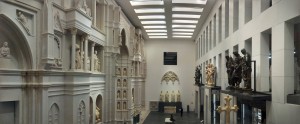
Upon entering the main area of the museum, the visitor is greeted by a full-scale reproduction of the bottom third of the Duomo’s façade, complete with statuary. This model is done completely in white, rather than in the original colors, in order to help the visitor focus on architectural and design elements they might otherwise miss.

Excellent, multi-floor lighting fixtures help to minimize shadows. A combination of natural light and diffused LED lights, in conjunction with such a monumental expanse of space, make the area almost feel out-of-doors rather than contained within the walls of a museum.

The visitor path of the museum is an elongated U-shape three stories tall. This allows patrons to view the façade at varying heights during their visit. Each floor reveals a new aspect of the building’s face, and museumgoers can fully appreciate the intricate details of the relationship between different works of art and their placement in a way that would be impossible from the ground level.

Upon reaching the top floor, visitors are directed to the museum’s rooftop deck. Viewers are immediately struck by the grand vista of the Dome itself, which dominates the skyline. The excellent physical placement of the museum in relation to the church helps to create another mental link between the artworks seen in the museum and their original context as objects designed to glorify God and impress the citizenry.

 Traduzione di Maria Maddalena Grossi (Università degli Studi di Firenze)

Il recente ampliamento del Museo dell’opera del Duomo, situato in Piazza Duomo, è un modello di ciò che un museo moderno dovrebbe essere. Gli enormi soffitti voltati, gli innovativi displays, e gli ampi corridoi si combinano per dare ai visitatori lo stesso senso di un luogo sacro, che si otterrebbe quando si entra in una cattedrale. Questo grandioso nuovo spazio ha avuto abbastanza ignominiosi inizi; la costruzione è iniziata per dare vita ad un parcheggio.

Il nuovo spazio del museo è più di 6000 metri quadri, e conta più di 750 opere che si trovavano li in un primo momento o nella cattedrale di Santa Maria del Fiore. Il grandioso piano di accesso è dedicato ad un enorme gruppo di sculture raffiguranti l’Ascensione di Cristo che in origine erano esposte sopra il primo altare della cattedrale.

Comunque quando la classe dirigente della città decise che il Gotico non era più in stile, furono sostituite e i pezzi originali vennero collocati in un magazzino per svarite centinaia di anni. Lo spazio interno è provvisto da un primo parcheggio che permette alla collezione di statue di essere visualizzata su vasta scala come era il loro intendo originario, sebbene circondata da linee pulite moderne piuttoste che da tipiche architetture gotiche. Entrando dalla principale area del museo il visitatore è accolto da una riproduzione su vasta scala del terzo fondo della facciata della Cattedrale, completo con lo statuario. Questo modello è fatto interamente di bianco pittosto che nei colori originali al fine di aiutare la concentrazione dei visitatori, che altrimenti potrebbero perdere sulle architteture e gli elementi di design.

Eccellenti apparecchi di illuminazione a più piani permettono di ridurre le finestre. Una combinazione di luci naturali e luci a diffusione Led, in combinazione con una distesa così monumentale di spazio, rendono la percezione di un ambiente fuori casa piuttosto che all’interno delle mura di un museo.

Il percorso del museo è allungato a forma di U, alto tre piani, questo consente ai visitatori di visualizzare durante la loro visita la facciata a varie altezze. Ogni piano rivela un nuovo aspetto della costruzione della facciata, e gli amanti del museo possono finalmente apprezzare i dettagli intricati della relazione tra differenti opere d’arte e il loro collocamento in un modo che sarebbe impossibile al piano terra.

Al raggiungimento del piano superiore i visitatori sono diretti alla terrazza sul tetto. Le visuali sono immediatamente colpite dalla vista stessa del Duomo, il quale domina la linea dell’orizzonte. La straordinaria collocazione fisica del museo, in relazione alla chiesa, aiuta a creare un altro anello mentale tra le opere d’arte viste nel museo e il loro contesto originale, come oggetti designati a glorificare Dio e impressionare la cittadinanza.


Federico Barocci disegnatore. La fucina delle immagini, Uffizi, I piano (19 dicembre 2015 – 3 aprile 2016)

barocci

Di Maria Maddalena Grossi (Università degli studi di Firenze)

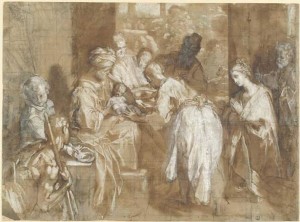
Il Gabinetto Disegni e Stampe degli Uffizi (GDSU) prevede tra le iniziative espositive un progetto chiamato “Euploos”, ovvero l’esposizione periodica nella Sala Detti, al primo piano della Galleria degli Uffizi, di opere provenienti dalla sua prestigiosa collezione. In questi mesi è possibile ammirare una mostra dedicata ai disegni preparatori, ma anche agli schizzi e ai pensieri messi su carta da Federico Barocci (Urbino 1533-1535/1612). Il Barocci fu uno dei pittori più importanti del periodo della Controriforma, nacque ad Urbino ma, come la maggior parte degli artisti di quel periodo, si formò a Roma sotto la guida di Taddeo Zuccari, ispirandosi ai grandi maestri del Cinquecento: in primis Raffello, ma anche Michelangelo. La sua pittura, oltre che di Raffaello, risente di Correggio che probabilmente ebbe modo di vedere a Roma, ma giunge ad una posizione artistica assai originale sia per la raffinata interpretazione del colore e della composizione dei grandi maestri del Rinascimento, sia per la sottile vena sentimentale. Dopo il periodo romano tornò ad Urbino dove continuò a lavorare per i committenti di tutta Italia.

La mostra intitola Fucina delle immagini, vuole proprio focalizzare l’attenzione su le idee che nell’artista urbinate prendevano forma, come un laboratorio grafico che nella maggior parte dei casi si è poi concretizzato con le opere a noi oggi note del Barocci.

La mostra si suddivide in tre sezioni: la prima è incentrata sulle modalità costruttive della figura, sui movimenti e su parti del corpo umano indagate e studiate come esercizi disegnativi; non mancano molteplici riferimenti a fonti e prototipi (come la statuaria), l’elaborazione mentale e lo studio della figura dal vero. La cosa interessante di questa sezione è la presenza di due parti che si uniscono nella creazione della figura, ovvero lo studio dal vero e il processo mentale o “studio da sè” frutto dell’immaginazione e della memoria visiva.

La seconda parte intende porre l’attenzione sul processo successivo allo studio della figura, ovvero l’atteggiarsi dei movimenti con i panneggi e l’indagine luministica. È presente in questi disegni anche la ripetizione della stessa figura e quindi il verificare le diverse angolazioni, ciò che si viene a creare è la simulazione del movimento in uno stesso foglio di carta che arriva a formare una vera e propria sequenza cinematografica.

La terza sezione è dedicata a cinque studi compositivi, quindi ad intere scene alle quali si è giunti grazie alle due sezioni precedenti. Tra questi spiccano i due fogli preparatori per gli affreschi del Casino di Pio IV, dove dall’indagine dell’intera scena segue lo studio su una sola parte di essa.

La mostra, non è molto grande, consiste delle sole quattro pareti della sala Detti, ma è gratuita e permette di conoscere il Federico Barocci disegnatore, che fu uno degli artisti più fruttuosi in questo genere nel periodo della Controriforma, di lui infatti esistono più di 2000 disegni.

Translation by Bethany Hucks (Istituto Lorenzo De’ Medici)

The Cabinet of Drawing and Prints of the Uffizi (GDSU) offers among its exhibitions a project called “Euploos”, a temporary exhibition in the Dictation Room on the first floor of the Uffizi Gallery, of works originating from their own prestigious collection. In these months, it is possible to view a show dedicated to the initial designs as well as the preparatory sketches and drafts put on paper by Federico Barocci (Urbino, 1533/1535 – 1612). Barocci was one of the most important painters of the Counterreform Period, born in Urbino but, like most of the artists of this period, trained in Rome under the guidance of Taddeo Zuccari, inspiration to the grand masters of the sixteenth century – primarily Rafael, but also Michelangelo. Barocci’s painting was inspired not just by Rafael; his way of seeing Rome was affected by Correggio, but adds a very original artistic viewpoint both by the refined interpretation of color and composition of the great masters of the Renaissance and the subtle sentimental streak. After his Roman period he returned to Urbino, where he continued to work for customers all over Italy.

The exhibition, titled Forging Effigies, aims primarily to focus attention on the ideas that took form in Urbino artists, like a visual laboratory that in many cases were fully formed with works that today we know are Barocci’s.

The show is divided into three sections. The first is focused on the method of constructing the human figure, and on the movement and parts of the human body, surveyed and studied as design exercises. It includes multiple references to sources and prototypes (like statuary), mental processes, and the study of human figures from life. The interesting portion of this section is the presence of two parts that unite in the creation of an illustration; that is a life study and the mental process or “self-study” produced from imagination and visual memory.

The second part intends to place attention on the successive processes in figure studies, that is the roleplaying of movements with drapery and the study of light. The repetition of the same figure is present in these designs, and therefore the testing of different angles, which comes to create a simulation of movement on a single sheet of paper that forms a true cinematographic sequence.

The third section is dedicated to five composite studies, which as complete scenes are put together using the two previous sections. Among these works, the two pieces prepared for the frescoes of the Lodge of Pious IV stand out, wherein the study of the entire scene becomes the study of only a part of it.

The display is not very large, consisting only of the four walls of the Dictation Room, but is free, and introduces Federico Barocci as a draftsman who was one of the most prolific artists of this genre in the Counterreform Period; in fact, we still have more than 2,000 of his works.

Museum of Geology e Paleontology

Museum of Geology & Paleontology

By Bethany Hucks (Istituto Lorenzo De’ Medici)

The Florence Museum of Geology and Paleontology, one of six museums that make up the city’s Museum of Natural History collection, contains the most impressive collection of its kind in Italy. At the time of its foundation in 1775, the museum was on the cutting edge of research and collecting. Some of the specimens come from the same mountains that inspired famed geologist Nicholas Steno’s theory of the earth’s stratigraphy. The museum was part of a group of international institutions that traded objects across borders and continents, so there are fossils from North America, Asia, and Africa as well as Europe. However, these days the museum suffers from a lack of support that has resulted in old-fashioned displays and outdated labels.

As visitors enter the museum, they face what is in fact the end of the visitor route. It is only after turning to the right that one sees the start of the path. This initial section is perhaps the most strikingly old-fashioned, containing visual displays dating back to the 1970s and 80s. The labels in this section are typewritten, and only contain information in Italian. Unlike many other Florentine museums where that is the case, there are no laminated information cards to help remedy the situation. This immediately deters any English-speaking visitors from wanting to pay the entrance fee.

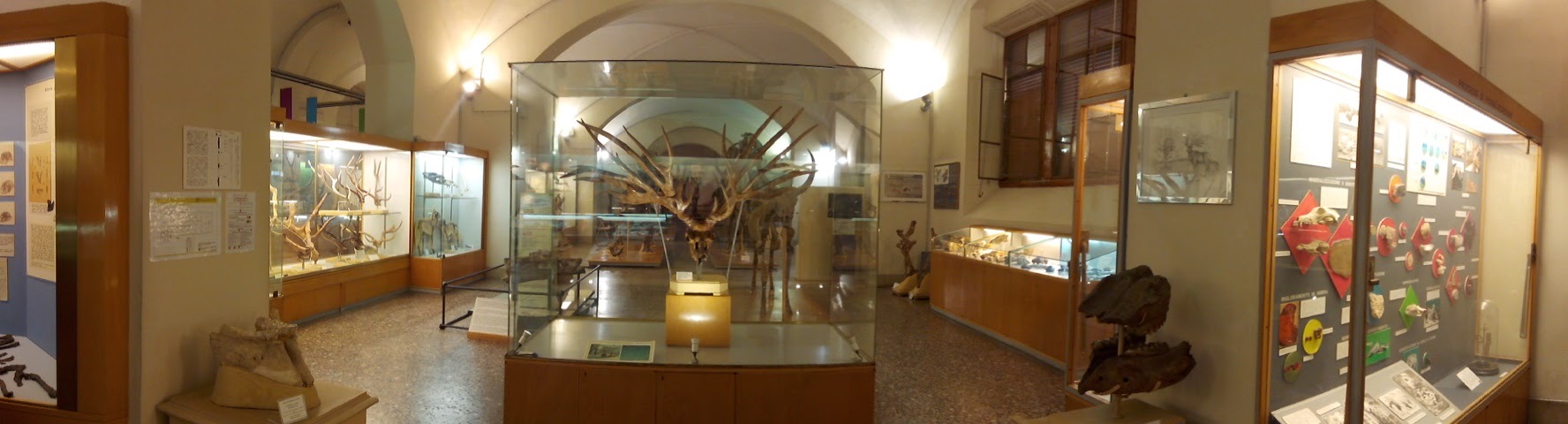
The rear area of the museum is perhaps the most modern, and contains impressive displays of full mammoth skeletons. Labels are in both Italian and English, but contain only the most basic information. These displays also include areas designed for blind visitors, in which they can touch fossils or reproductions.

After leaving this modernized section of the museum, the visitor again sees outmoded styles of labeling, including some that are hand-written on aging yellow cards. Many of these labels contain information primarily in Latin, with no explanation in Italian or English as to what the viewer is looking at or why it is important. This is especially problematic when looking at fragments of fossilized animal or plant matter, as most laypeople will not be able to recognize the significance of these items without additional context.

The Museum of Geology and Paleontology’s curatorial staff consists of only two people, which severely limits their ability to modernize the museum. Nevertheless, the museum intends to open a new room this summer dedicated to a full-size whale fossil that has recently been part of an innovative research project comparing modern organisms that feed on whale carcasses with those from millions of years ago.

Overall, the museum feels as though it is designed for specialists in the fields of Geology and Paleontology, rather than for Florentines or tourists. Perhaps when the new whale exhibition opens, the municipality will be inspired to commit additional resources to the museum in order to bring it up to date. Until then, a guided tour by the extremely knowledgeable staff is a must.

Museum of Geology & Paleontology

Via Giorgio La Pira 4, Firenze 50121

Website: http://www.msn.unifi.it

Telephone: 055-2757536

Traduzione di Maria Maddalena Grossi (Università degli Studi di Firenze)

Il museo fiorentino di Geologia e Paleontologia, uno dei sei musei che costituisce la collezione del Museo di Storia Naturale della città, contiene la più impressionante collezione di questo genere in Italia. Al tempo in cui questa fu fondata nel 1775 il Museo era all’avanguardia per la ricerca e la raccolta. Alcuni degli esemplari provenivano dalle stesse montagne che ispirarono la teoria del famoso geologo Nicholas Steno sulla stratigrafia della terra. Il museo è parte di un gruppo di istituzioni internazionali che scambia oggetti attraverso le frontiere e i continenti, così ci sono fossili provenienti dall’America del nord, dall’Asia, dall’Africa come dall’Europa. Comunque in questi giorni il museo soffre di una mancanza di sostegno che ha portato a display in vecchio stile ed etichette obsolete.

 Appena i visitatori entrano nel museo, si ritrovano di fronte ciò che in effetti sarebbe la fine della visita. È solo dopo aver girato a destra che si vede l’inizio del percorso. Questa sezione iniziale è forse il più straordinario vecchio stile, contenente dispositivi visivi che risalgono agli anni settanta ed ottanta. In questa sezione le etichette sono dattiloscritte e contengono solo informazioni in italiano. Non come altri musei fiorentini dove nello stesso caso, non ci sono schede informative laminate che aiutano a rimediare la situazione. Questo scoraggia subito i visitatori di lingua inglese dal voler pagare il biglietto d’ingresso.

 La parte posteriore del museo è forse la più moderna e contiene impressionanti display pieni di scheletri di mammut. Le didascalie sono sia in italiano che in inglese, ma contiene solo le informazioni di base. Questi display includono anche aree per non vedenti, dove loro possono toccare i fossili o le riproduzioni.

 Dopo aver lasciato questa moderna area del museo, il visitatore vede di nuovo stili antiquati delle etichettature, includendone alcune che sono scritte a mano su carta gialla invecchiata. Alcune di queste etichette contengono informazioni di base in latino, senza spiegazioni in italiano e in inglese … .

Ciò è problematico specialmente quando guardando frammenti o fossili animali o materiale vegetale, molte persone laiche non sarà facile riconoscere il significato di questi elementi senza un contesto aggiuntivo.

Il gruppo di curatori del Museo di Geologia E paleontologia consiste di soli due persone, che hanno severamente limitate le loro abilità di rimodernamento del museo. Tuttavia il museo intende aprire nuovi ambienti questa estate dedicati a full size quali fossili che sono stati recentemente parte di un progetto di ricerca innovativo che confronta organismi moderni che si nutrono di carcasse di balena con quelli di milioni di anni fa.

 Complessivamente il museo si sente come se fosse progettato per specialisti nei settori della Geologia e Paleontologia, piuttosto che per fiorentini o turisti. Forse quando aprirà la nuova esibizione sulla balena il comune sarà ispirato ad impegnare risorse aggiuntive al fine di portarlo fino a data. Fino a, una visita guidata da parte del personale molto preparato è un must.

Il Principe dei Sogni, Giuseppe negli arazzi medicei di Pontormo e Bronzino

Il principe dei sogni

Di Maria Maddalena Grossi (Università degli Studi di Firenze, Dipartimento S.A.G.AS.)

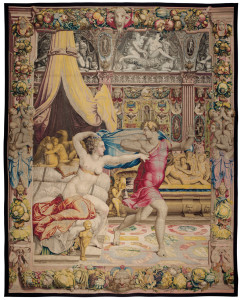
Firenze e Palazzo Vecchio rendono omaggio ai visitatori di Expo 2015 (e non solo) con una mostra del tutto eccezionale che vede riunire dopo centocinquanta anni i magnifici arazzi commissionati da Cosimo I de Medici tra il 1545 e il 1553 per la Sala dei Duecento in Palazzo Vecchio.

I venti arazzi di grandezze monumentali (si parla di sei metri di altezza ciascuno per una estensione di più di quattrocento metri quadrati!) furono realizzati dai maestri fiamminghi Jan Rost e Nicolas Karcher sui cartoni dei fiorentini Jacopo da Pontorno e Francesco Salviati.

La straordinarietà di questi arazzi è dovuta non solo agli artisti fiamminghi e fiorentini che vi operarono in maniera congiunta, ma anche all’occasione stessa che si creò per la prima volta a Firenze con tale committenza; grazie a Cosimo I de Medici si creò infatti una vera e propria manifattura che rimarrà attiva a Firenze per due secoli.

Il visitatore è introdotto alla mostra da un video che in chiave storica riproduce la nascita degli arazzi, i protagonisti sono degli attori che nelle vesti di Cosimo I dei Medici e di Eleonora di Toledo immergono per circa quindici minuti il visitatore nella Firenze medicea. Compaiono inoltre il curatore della mostra …. , ilsindaco Dario Nardella e la ex Soprintendente Cristina Acidini che illustrano le vicissitudini di queste opere e l’importanza che hanno nella storia dell’arazzo, nonché il meticoloso restauro che hanno subito gli arazzi ad opera dell’ Opicifio delle Pietre dure di Firenze e dall’ Icr di Roma grazie anche al contributo dell’Ente Cassa di Risparmio di Firenze.

Gli arazzi narrano la storia di Giuseppe, figlio prediletto di Giacobbe, che detestato dai fratelli viene venduto come schiavo in Egitto, ma Giuseppe riesce a trionfare su tutte le insidie presenti sulla sua strada e a farsi valere difronte ai potenti. Ricoprirà un ruolo di primo piano a fianco del faraone, ma la sua vera grandezza sarà il perdonare i fratelli che lo avevano odiato e tradito.

L’idea dell’eroe mite, che solo con l’intelligenza e le proprie forze, dal nulla riesce a creare un impero e a sfuggire alle insidie, colpì Cosimo I dei Medici che rivide le vicissitudini della propria famiglia. Con queste intenzioni nasce la committenza agli artisti fiamminghi e fiorentini, pertanto l’opportunità di questa mostra, di rivedere riuniti insieme gli arazzi è unica e irripetibile.

Inoltre la mostra ripropone l’allestimento come lo si presentava al tempo di quando Cosimo I dei Medici li vide realizzati, ovvero con le pareti del Salone dei Duecento interamente ricoperte dagli arazzi. I supporti didascalici posti in basso alle opere e numerati secondo l’ordine delle storie permettono di capire e scorrere in modo autonomo le opere.

Translation by Bethany Hucks (Istituto Lorenzo de’ Medici)

Florence and the Palazzo Vecchio give homage to the visitors from Expo 2015 (and others) with an exhibition of exceptional works that sees the reunion, after 500 years, of the magnificent tapestries commissioned by Cosimo I de’ Medici between 1545-1553 for the Room of the 200 in Palazzo Vecchio. The twenty tapestries of enormous size (each is six meters high, together stretching more than 400 meters square!) were created by Flemish masters Jan Rost and Nicholas Karcher from drawings done by Florentines Jacob da Pontorno and Francis Salviati.

The extraordinary nature of these tapestries comes not only from the Flemish and Florentine artists that worked together, but also from the opportunity that was created for the first time in Florence with this commission; thanks to Cosimo I de’ Medici, this resulted in workshops that remained active in Florence for 200 years.

The visitor is introduced to the exhibition by a video in which the key histories reproduce the creation of the tapestries. The lead characters are actors who, dressed as Cosimo I de’ Medici and Eleanora di Toledo, immerse the visitor in Medicean Florence for around 15 minutes. Also appearing in the film are exhibition curator Louis Godart, mayor Dario Nardella, and former Superintendent Cristina Acidini, who illustrate the turbulent history of these works and their historical importance in the history of tapestries, as well as the meticulous restoration that the tapestries underwent at the Factory of Semiprecious Stones in Florence and the ICR in Rome, thanks to the contribution of the Ente Savings House of Florence.

The exposition replicates the set-up as it would have been seen in the time of Cosimo I dei Medici, with the walls of the Room of the 200 completely covered by the tapestries. The descriptive labels are placed below the works and are numbered according to the order of the story, allowing visitors to understand and follow the works on their own.

The tapestries tell the story of Joseph, favorite son of Jacob who, loathed by his brothers, was sold as a slave in Egypt. But Joseph succeeds in triumphing over all of the pitfalls in his path and asserting himself in the face of this powerful opposition. He becomes the pharaoh’s right-hand man, but his true greatness would be forgiving the brothers who hated and betrayed him.

The idea of the mythological hero who, with just his intelligence and his own strength, rose from nothing to create an empire and overcome obstacles, struck Cosimo I dei Medici, who saw in the story the vicissitudes of his own family. Out of these ideas was born the commission for the Flemish and Florentine artists, and therefore the opportunity for this exhibition, to see once again these unique and unforgettable tapestries.